Why am I writing about returning to cycling after a stroke?
I’ve been an active and enthusiastic cyclist for many years, but in January 2026 I had a stroke with no warning, so I’m writing about my hopes and fears about returning to cycling as soon as I felt able to do so.
No stroke is good. But in many respects, I was very lucky having been left with no significant weakness, speech problems, or visual loss and after a couple of months was back doing most things as before.
Cycling has been a big part of my life especially since retiring 10 years ago. I particularly love multi-day touring (in the hills and mountains where possible) and in recent years have completed four of Cycling UK’s fantastic Adventure routes including King Alfred’s Way (twice as it is so good!),The Rebellion way in Norfolk, and The Cantii Way in Kent.
In 2016 I cycled the full length of the Western Front of the Great War, and my book about this fascinating and unique journey through landscape and history, The Road of Hope and Sorrow: by bike along the western Front of the Great War was published recently by Troubador (2026).
Other notable mountain multi-day rides that I have completed in recent years include La Route Grandes Alpes (Geneva to Nice), and the Route des Cols (coast to coast of the Pyrenees from Hendaye on the Atlantic to Cerbère on the Mediterranean).
Would I be able to return to the kind of cycling I love?
I mention these rides to emphasise what a big part of my life cycling has been, so that having a stroke clearly felt like a potentially big threat to my being able to continue enjoying these activities with friends and family. It also posed a threat to my abiity to write about and share my cycling adventures as I have, for example, with this article about The Rebellion Way in Norfolk.
While I was undoubtedly relatively fortunate compared with many stroke survivors, I did not get off scot-free. There are two things, in particular, that I have been struggling with. One is writing. I’m fine writing by hand (yes, with a pen and paper!). But once on the keyboard, I’m scrambling words, missing out letters and have to work slowly and repeatedly correct much of what I write. The second issue has been the emotional reactions which I have learnt are very common after a stroke and typically involve a mix of shock about what has happened, low mood, and fears about the future.
Before I became unwell, I had plenty more cycling trips planned. But despite my relatively good outcome, the stroke has left me with many questions about returning to cycling, particularly with attempting physically demanding rides in more remote or mountainous locations.
I definitely wanted to try getting back to the kind of cycling I had been doing before the stroke as soon as I felt this was realistic, so I set myself a kind of test. I organised to ride Cycling UK’s newly established Royal Chilterns Way, with my wife Jacqueline (Jacq).
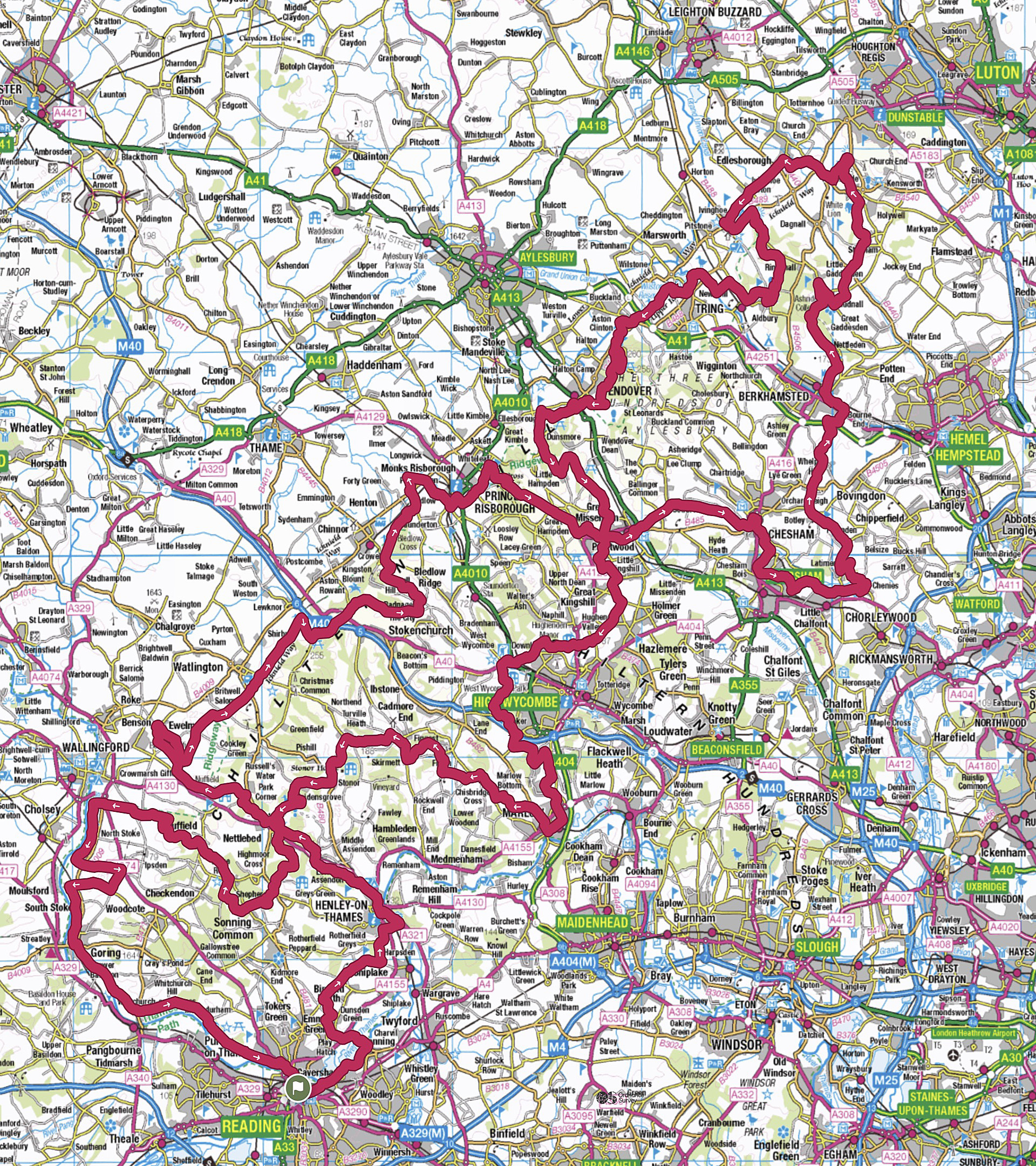
The Royal Chilterns Way, showing the route developed by Cycling UK and displayed in the Ordnance Survey App
We planned to do this over six days bike packing, that is, carrying our luggage in bags strapped to the bike frames. In this illustrated article, I briefly describe the ride, with an account of some of the main highlights that demonstrate why I was so keen to get back to cycling. The main focus, however, is how it felt to be tackling several hundred kilometres of mainly off-road cycling with plenty of steep climbs and mixed terrain a little less than four months after my stroke, along with my observations on what went well, and those aspects I found to be more challenging.
Would my cycling fitness be up to the job?
Lying in a hospital bed for four weeks meant that I had some ground to make up in terms of cycling fitness, and a mix of road and mountain bike riding near my home in Cheshire over several months got me back I reckon to about 50-60% of my pre-stroke fitness; that’s not based on data just what I felt like. I had also bought a Wahoo Kickr Core trainer to use with Rouvy and had been starting to explore some of the rides provided in the app.
Fear of the unknown on returning to cycling after a stroke
Fear of what might happen – the ‘unknown unknowns’ was the biggest anxiety I faced as we set out. Could I do this? I had pre-booked all the accommodation so failing would have been costly and very frustrating as by the start of the ride we had passed the Booking.com cancellation deadlines. Should I be doing it at all? Was it wise? No-one from my health care team said that I should not, but equally no-one could tell me what could provoke a repeat episode. As a stroke survivor asking my doctors, “What strenuous physical activities can I safely do for, example hiking, running and cycling?” One is told, you should be OK but be careful and “listen to your body.” That is all very well if you just find yourself feeling tired or hungry, or getting too hot, or dehydrated, as your body does tell you these kinds of things clearly enough, and you can take the necessary steps to rest, eat, cool down and drink plenty of water, etc. But when it comes to pushing yourself quite hard physically, if you have had a stroke, this advice is not much help as you may not get any warning signs if you are cycling up a steep hill on a hot day, for example. It’s a matter of belief that you will make it without something terrible happening, and that’s what I found myself doing, although it was, to be honest, quite scary, especially at first, as I simply did not know what might happen, and it was a situation I have never experienced previously.
My approach: take it easy, but just do it
I had survived the stroke and done pretty well thus far, so I was resolved to just get on with it. I would ‘listen to my body’ (whatever that means?), as I had been advised to do, keep hydrated not push myself too hard and rest if I felt unwell. But what would ‘feeling unwell’ actually mean? What might be the signs be, if any?
I did not have any warning signs before the stroke in January, so what might the signs be when out cycling that suggested I was at risk of serious trouble? I decided that I might as well just get on with it as I owed myself the chance of making the most of the healthy life I still have. So, my approach was just cycle, climb the hills I could and get off and walk if these seemed to be too steep or tiring.
Being fortunate not to have suffered any muscle weakness and having done at least some training since leaving hospital, I found the cycling reasonably comfortable and felt ready to push moderately hard on hills. With the Chiltern Hills, the clue is the name , and there are some very steep climbs both on the bridleways and lanes.
After a few hours on the first day, I found that I was no longer worrying whether I might drop dead or have another stroke and felt able to enjoy the lovely countryside, the pretty villages, and intriguing history of the area. These are the key elements of rides like this that fed my passion and inspired me to return to cycling and try the Royal Chilterns Way.
So, to illustrate the experience of my first significant post-stroke cycling adventure, here are some highlights that we encountered in the landscape, architecture and history from each of the six days of cycling, along with some of the things that went a bit awry and my thoughts on whether these were stroke-related or maybe just stuff that happens.
Day 1- Charvil to Emmington: near disastrous forgetfulness and some critical navigation errors
We started in Charvil, a village a few kilometres to the east of Reading, so here I am in the pub garden with the bikes
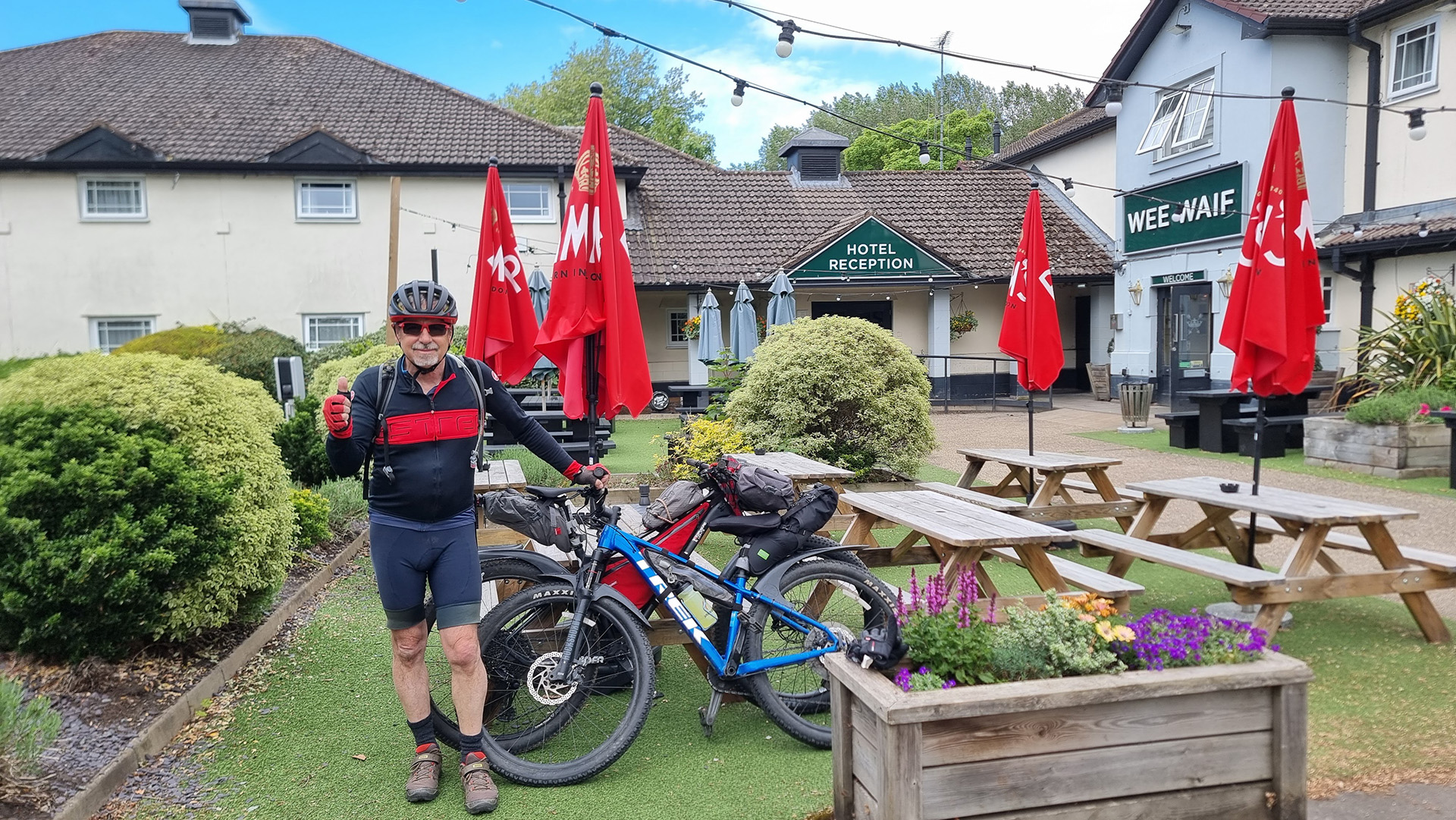
The author in the garden of the pub at the start of our Royal Chilterns Way ride
After a few miles and one moderate hill, we reached the small village of Harpsden. The highlight here was the pretty 12th century church of St Margaret of Antioch. A local resident saw our interest in the church and its history and showed us sword sharpening marks said to have been left by crusaders. She also showed us some croix pommé, crosses cut into the masonry of the south door whose ends terminate in balls or round shapes, and which symbolise the Christian faith, purity, and the spiritual fruits of a godly life, nice sentiments which I felt translated rather well to a secular view of the benefits of cycling in beautiful locations such as this.
From Harpsden, we rode steeply down into Henley-on-Thames and along the riverside path and park, into the town centre, where in tune with our plans for a relaxed ride, we stopped for coffee and snacks. That where things first started to go wrong for me.
On leaving the café, I managed to cycle off without my backpack, having left it on the pavement at the place where we had locked the bikes.
Feeling unaccountably light on the bike, I realised after about 1 kilometre of riding. As my credit cards and a very expensive cycling raincoat were in the bag, I rushed back in something of a panic, cursing the extra distance forced on me by Henley’s one-way system. Shock-horror! My bag was not where I’d left it by the bike racks, so with mounting anxiety and visions of having to cancel all my bank cards but keeping my fingers and toes firmly crossed, I went into the café to ask if they had seen it. A telephone engineer who I’d briefly chatted with outside the café had thoughtfully taken my bag inside. That was a warm moment derived by the best of human nature and one I won’t forget. Phew, disaster averted, but then the doubts and question began: was this forgetfulness a result of the stroke, I wondered? It might have been, but it’s also possible that it’s the sort of mistake anyone could make. Anyway, very relieved, we continued north. Then, near the hamlet of Catslip, I made a significant navigation error, as a result of which we drifted off the outward route and started along the return leg towards Stonor. I was using my Ordnance Survey (OS) app with the imported Cycling UK GPX file and had not noticed the tiny arrows that indicate the direction of travel were pointing the wrong way. I am pretty much obsessed by maps and prided myself on my navigation skills. So, was this another stroke-related error? In my defence, the arrows were very small and not that easy to see on a phone screen in the sunlight.
Somewhat off route now, we opted to take a road that climbed past the wonderfully named Hundred Hills Winery. There was not enough time to stop and sample the vineyard’s produce and in any case wine and cycling up hills do not mix terribly well. Pressing on, we soon regained our route, although, but having missed the loop through the interesting village of Ewelme, marked that up for the return leg a couple of days hence.
Descending the northern scarp slope of the Chilterns into the village of Watlington, we happened upon and stopped at the wonderful Spire and Spoke pub for coffee and cake, noting they also offered wood-fired pizzas and took note. Unexpected and rewarding discoveries like this are one of the best aspects of these biking adventures.
We then rode eastwards along the Ridgeway towards the M40. I did not even try to cycle the very steep and rocky climb through Aston Rowant nature reserve, and frankly I don’t think I could have done so, even if I had tried, stroke or no stroke. We crossed the very busy and noisy M40 where it cut brutally through the hillside, what a monster! A fabulous bridleway then took us through the classic Chilterns beech wood of Crowell towards Radnage. Although there were still quite impressive patches of bluebells in evidence, sadly the weird weather patterns this year meant that even in early to mid-May we were too late for the proper show these hills are famed for and which I had been looking forward to.
Emerging suddenly from the dense woodland, we rode into a gorgeous valley with beautiful evening light playing on the grass, sheep and lambs. I was filled with joy and we coasted happily through what is described as one of most isolated valleys in the otherwise quite busy Chilterns. This was another one of those unexpected but treasured, beautiful moments that cycle touring can bring and I added this to my tally.
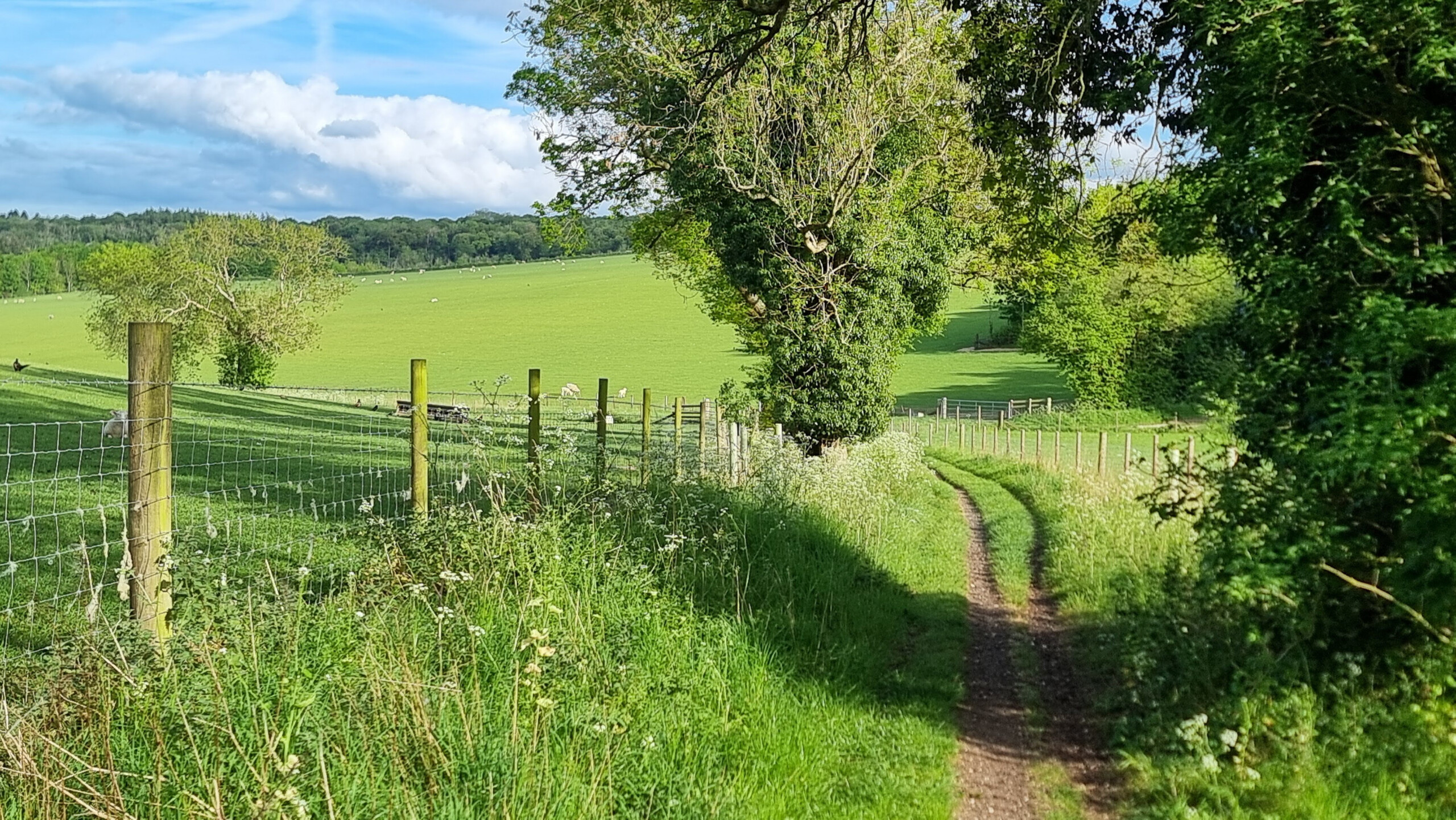
We emerged from Crowell Wood into this beautiful, isolated sunlit valley, heading towards Radnage
A desperately steep lane followed taking us back over the hills towards Chinnor. This lane had one chevron on the OS map (which signifies a gradient of 14 to 20%, in other words very steep for a bike laden with touring kit). I decided to try riding it, and while it was tough, I did not worry about what might happen, kept going, felt OK and managed to cycle to the top of the long climb, so that felt like a significant and not so minor victory.
Day 2- Emmington to Chalfont St Giles: more navigation errors and a failed attempt at puncture repair
The next day, on leaving a café in Princes Risborough where we stopped for a mid-morning coffee and snack break, I remembered my backpack, which was reassuring. After a short section along the Ridgeway towards Whiteleaf, we started to climb up the intimidating Whiteleaf Hill. Could I do it? No way, it was incredibly steep, rocky and rooty, we had to walk and even that was not easy with a laden bike. At the top we were met with stunning views, and the somewhat faded tail end of this spring’s cowslips.
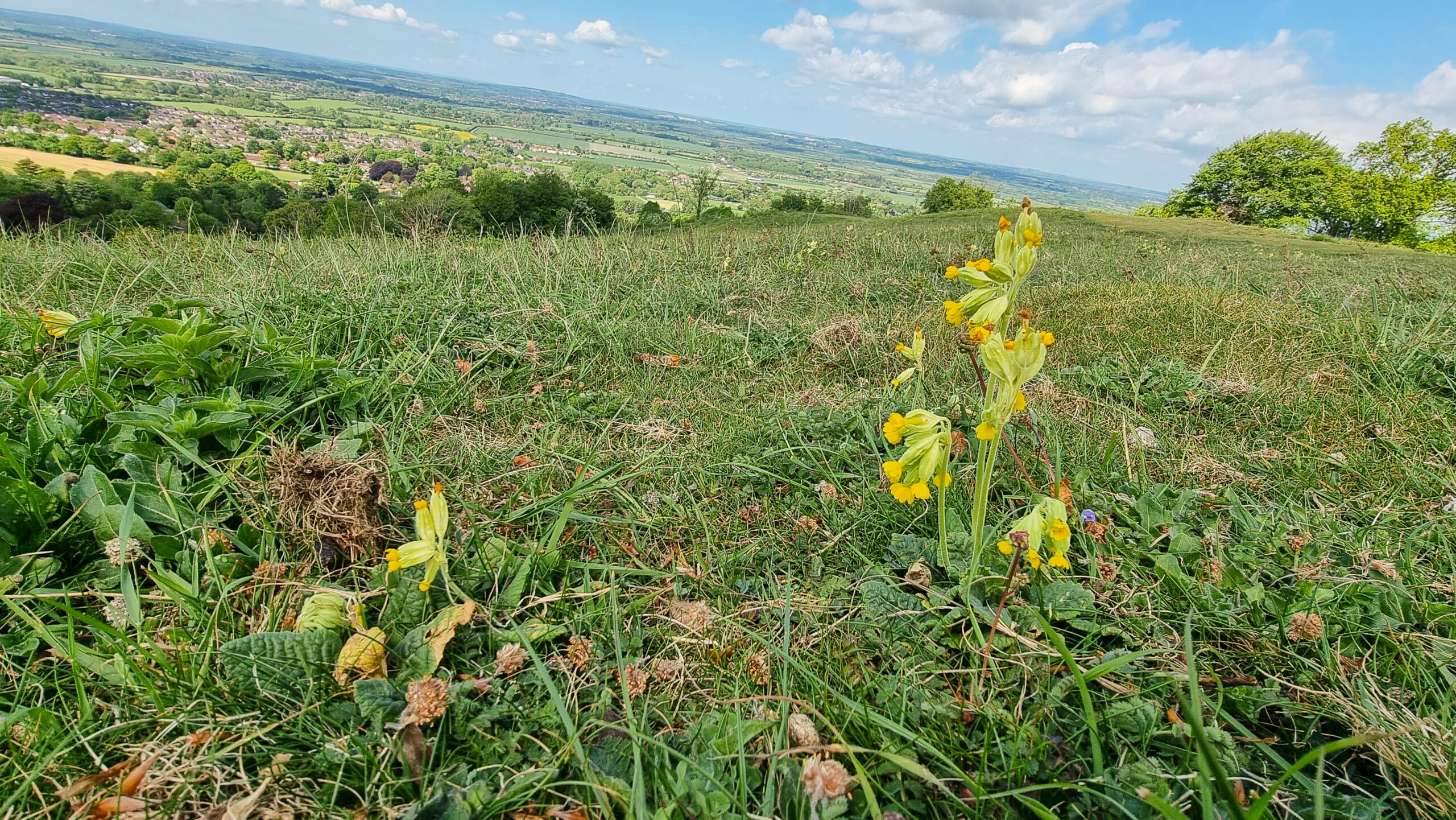
Whiteleaf Hill: a stiff climb, fantastic views and a few cowslips still in flower
From there, we headed back into the forest, which went well until another navigational error on my part led to another forced diversion, although this was not as substantial as that on Day-1.
My explanation for this mistake was that the the trails junction we needed to find was hard to determine, even with OS app that indicates one’s location pretty accurately with GPS. So, no excuse, really. Once more, doubts about my ability now to read and use the maps competently nagged away at me. Quite soon, though, we re-joined the correct route on another delightful bridleway that took us easily to Great Missenden, from where a very steep trail climbed through a tunnel with vibrant animal and bird murals. A ridge top lane and trail brought us into Chesham Bois and Amersham, with memories of my time working here many years previously as a newly-qualified doctor.
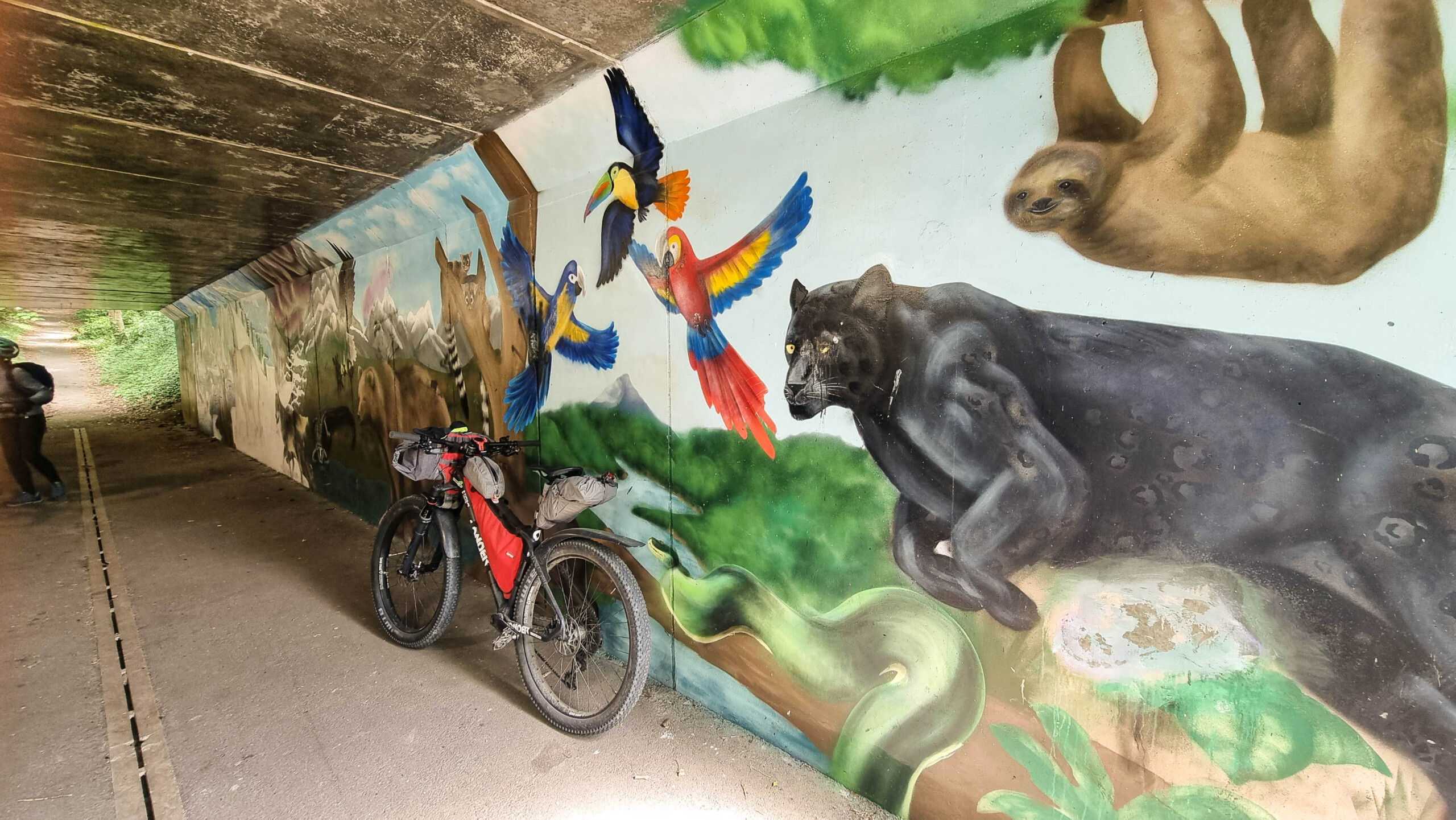
Animal mural on walls of a tunnel taking the trail steeply uphill out of Great Missenden
Our route skirted north of the town through unremarkable estates, then led onto more amazing bridleways through woodland towards Chenies Manor. As we had previously found in the Surrey Hills, there are many, many fantastic bridleways in the Chilterns. From there, we took a road south to Chalfont St Giles to find the Ivy House pub which I’d booked for that night. Helicopters circling overhead and vast mansions with landscape gardening company vans parked in their ample grounds showed us just how wealthy this part of the country is. On reaching the pub, I realised my front tyre was almost deflated. I was running a tubeless setup with my tyres, a common system with bikes nowadays in which you do not have an inner tube but use rim tape, a special valve and a liquid sealant to prevent air escaping around the rim, and which should seal off punctures if you get one. Unfortunately, I had omitted to check and refill the sealant in the tyres as having been unwell, I had not used this bike for a while. So, I really had only myself to blame for this bike preparation oversight. The capacity for thorough planning was one of the things I had worried might be affected by my stroke.
So I set to work on the tyre before a much needed shower and a cold Zero Guinness. On this trip, I was trying to keep alcohol and calorie intake as low as possible, and was pleased to find that these very refreshing alcohol-free drinks are now available almost everywhere. Anyway, I tried for almost one hour to remove the tyre and install the inner tube which I had, to my credit, remembered to bring. But despite all my efforts, I could not get the tyre off the rim. This is something I could normally do quite easily, so began to worry that this was another post-stroke issue due perhaps to lack of hand strength and coordination, or perhaps some kind of loss of technique memory?
Oh well, there was nothing I could do about it, so looked up the opening time for the nearest bike shop in Amersham, Dees Cycles, with the aim of getting there as soon as possible the following day. I just had to hope that they would take sympathy on us and our multi-day ride plans, as it was by then too late to call them and book the bike in for the work, and I knew how busy these bike shops are these days. Our evening conversation centred on how we could adapt the route for the following day given we would inevitably lose a few hours sorting out my tyre.
Day 3 – Chalfont St Giles to Aston Clinton: a tired but kind bike mechanic, feeling totally exhausted, another puncture and a brainwave
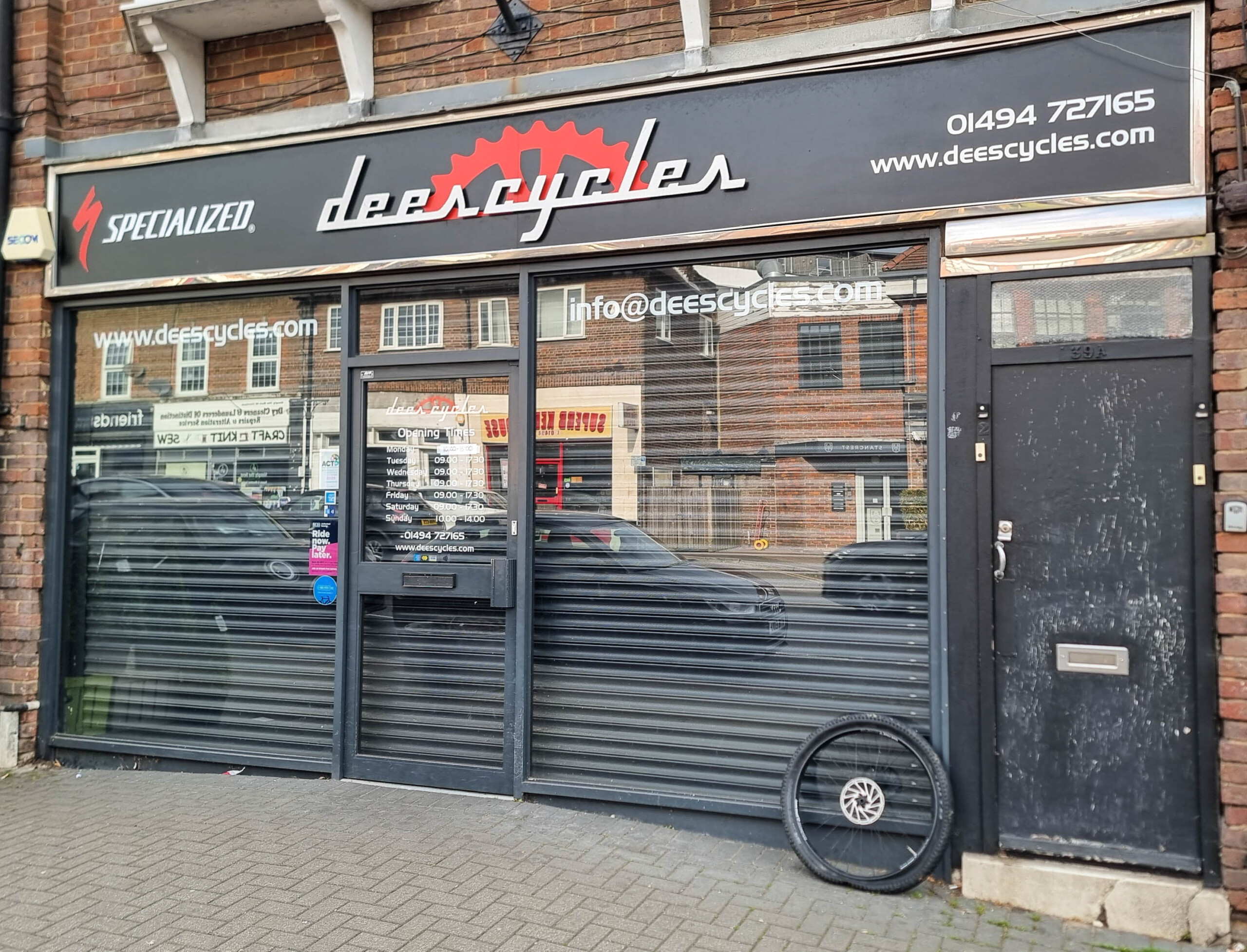
My deflated tyre, waiting for Dees cycle to open
Our bedroom was very hot and stuffy and I slept very badly – the last thing I needed, frankly. After a quick breakfast, we got a taxi to the cycle shop with my front wheel, arriving at 08.55. The mechanic I spoke with did not look too pleased by this unexpected work request, but was very willing to help and I am very grateful. He said that the tyre was not stuck due to old sealant, as I had thought, it was just a tight tyre rim combination. “So, how is it that you can get the tyre off, and I can’t?” I asked, after he had quickly removed the tyre and inner tube? “Well, I suppose that I do this every day,” he replied. So, it must be down to hand strength and technique, but that was not necessarily a result of the stroke as I have not not routinely been taking awkward tyres off rims as often as he was.
He replaced the inner tube and inflated my tyre. I bought a spare inner tube and two small containers of Stan’s sealant for my back tyre and Jacq’s bike, just in case, then we got a taxi back to The Ivy House, packed up and were off by 10 am, which I felt was impressively efficient!
Back on the trail we soon reached Chenies, a stunningly beautiful Elizabethan manor with fabulous gardens, then dropped to the Chess valley, a very pretty chalk stream, followed by a climb up a lovely bridleway through woods.
We had decided over breakfast to keep on the official Chilterns Way route to Berkhamsted, ride through the Ashridge Estate, but then cut out a big loop that would then have taken us around Whipsnade Zoo and Ivinghoe Beacon. Frankly, after such a hot and sleepless night, we were both glad of the excuse of my failed puncture repair to have a shorter day. Every cloud has a silver lining.
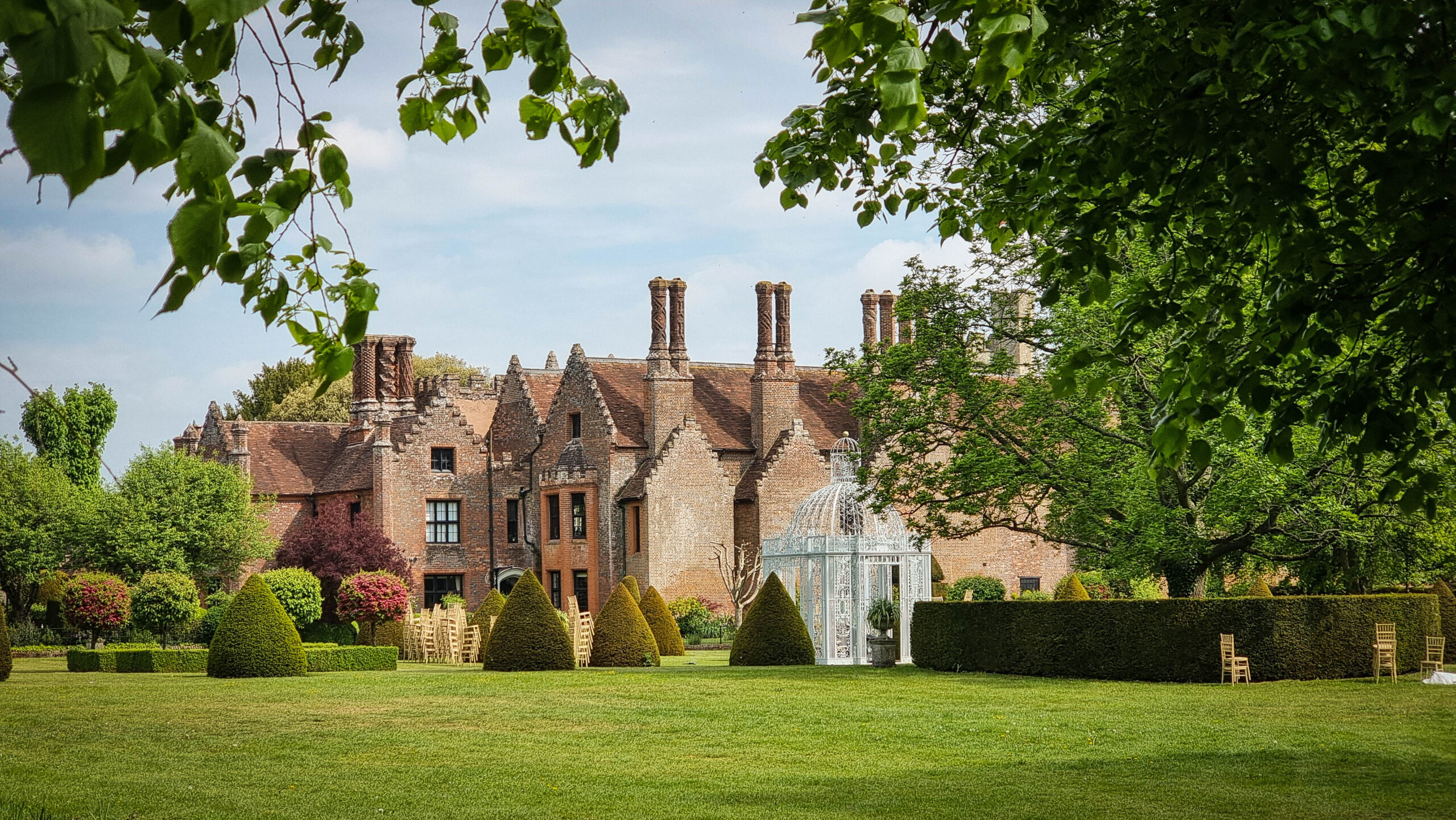
15th century Chenies manor house and garden, visited by Queen Elizabeth I in 1570, now privately owned and a popular venue for weddings and other events. The house can be visited on a limited number of days
Berkhamsted has a very pleasant central area and an interesting canal-based port, so we stopped there for lunch and coffee then rode up past the castle, over the common and past the impressive Ashridge House, which is now a management college.
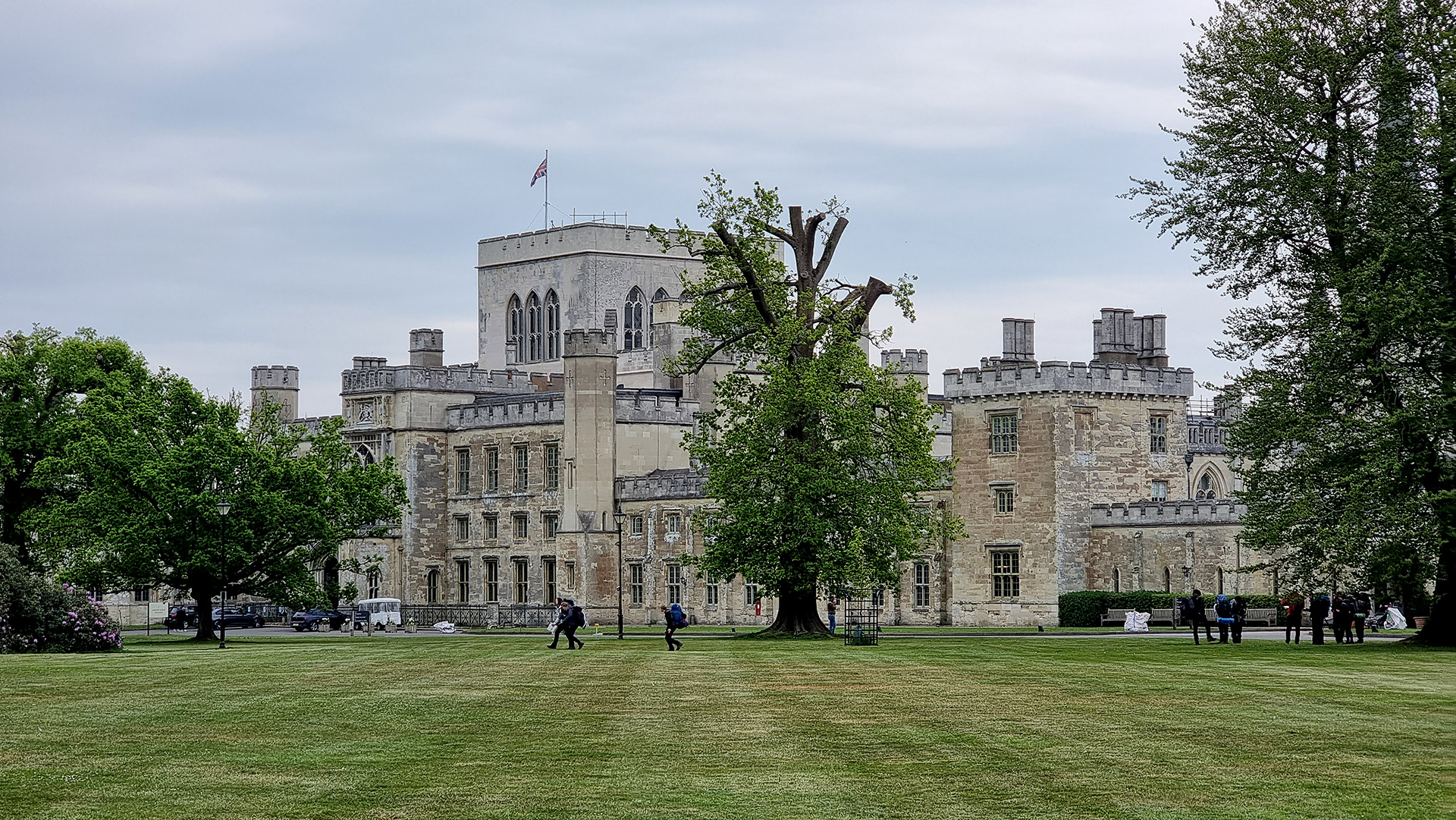
Ashridge House is now a management College
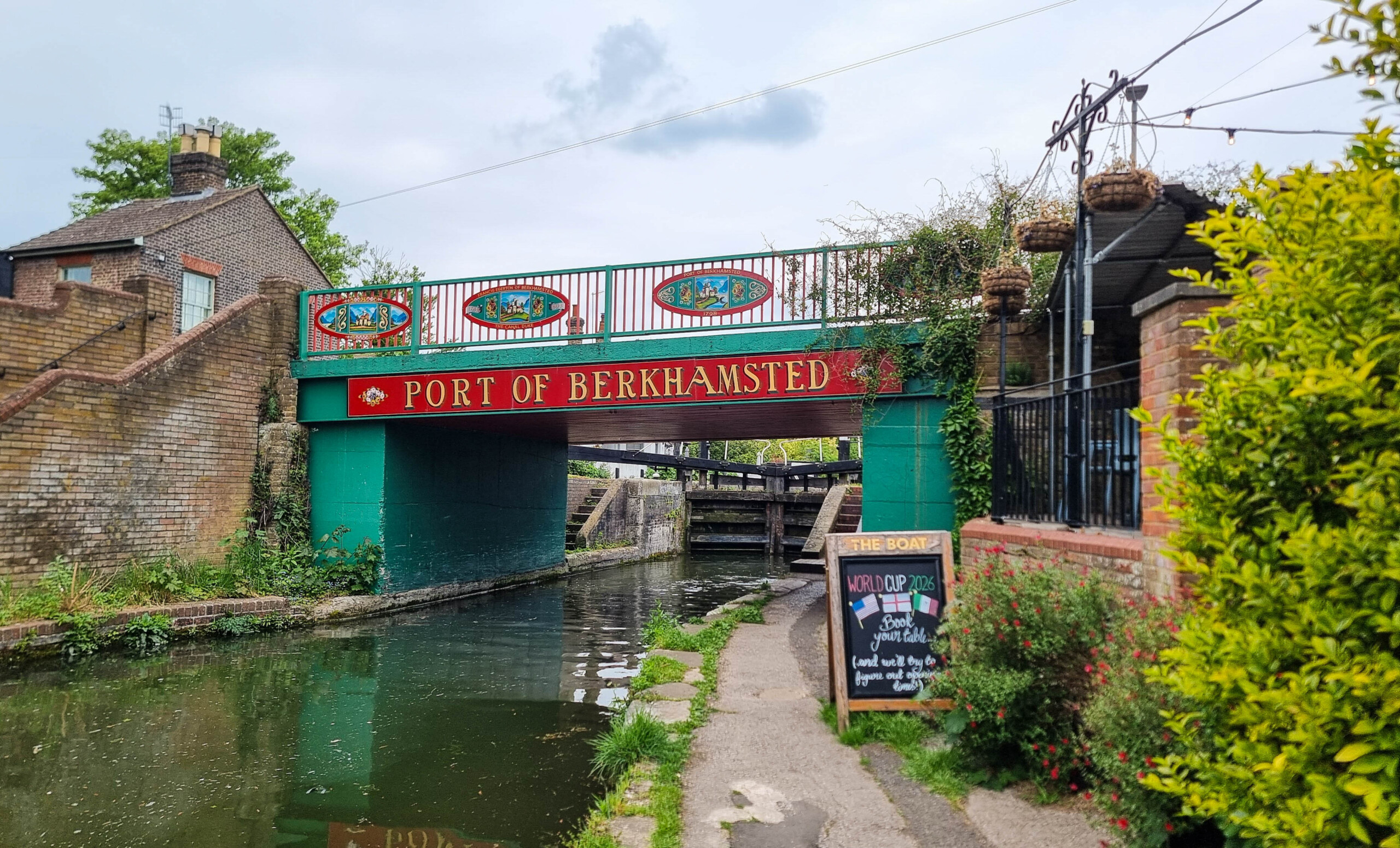
The Port of Berkhamsted on the Grand Union Canal
By mid-afternoon I was feeling drained, plus for some reason I was still worried about my tyres. My legs were empty! I bought and scoffed a few chocolate-covered goodie bars while sitting on a fallen tree trunk. Was this post-stroke fatigue, or simply the result of cycling non-stop for several days and a severe lack of sleep?
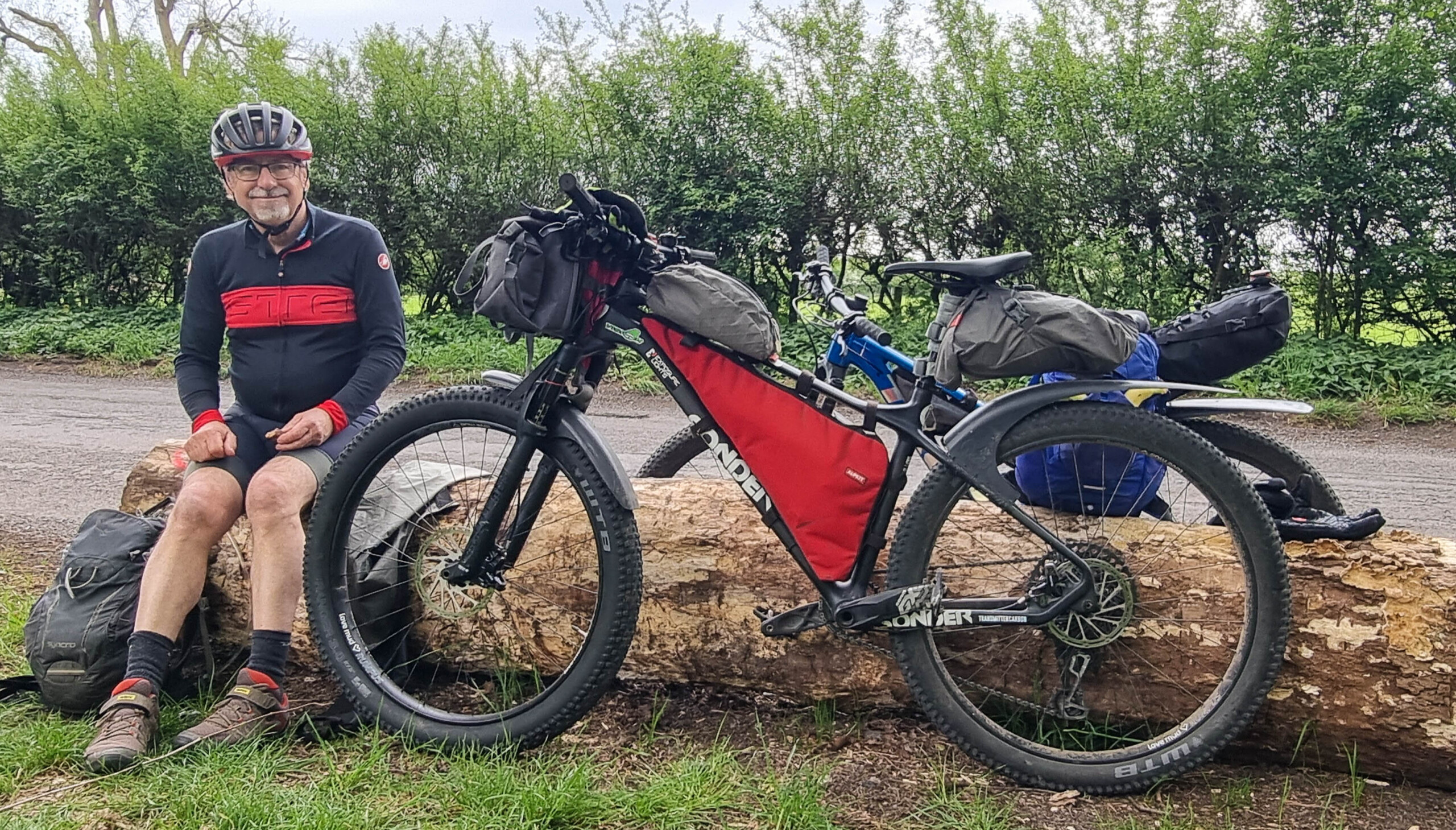
The author just about still smiling but completely exhausted
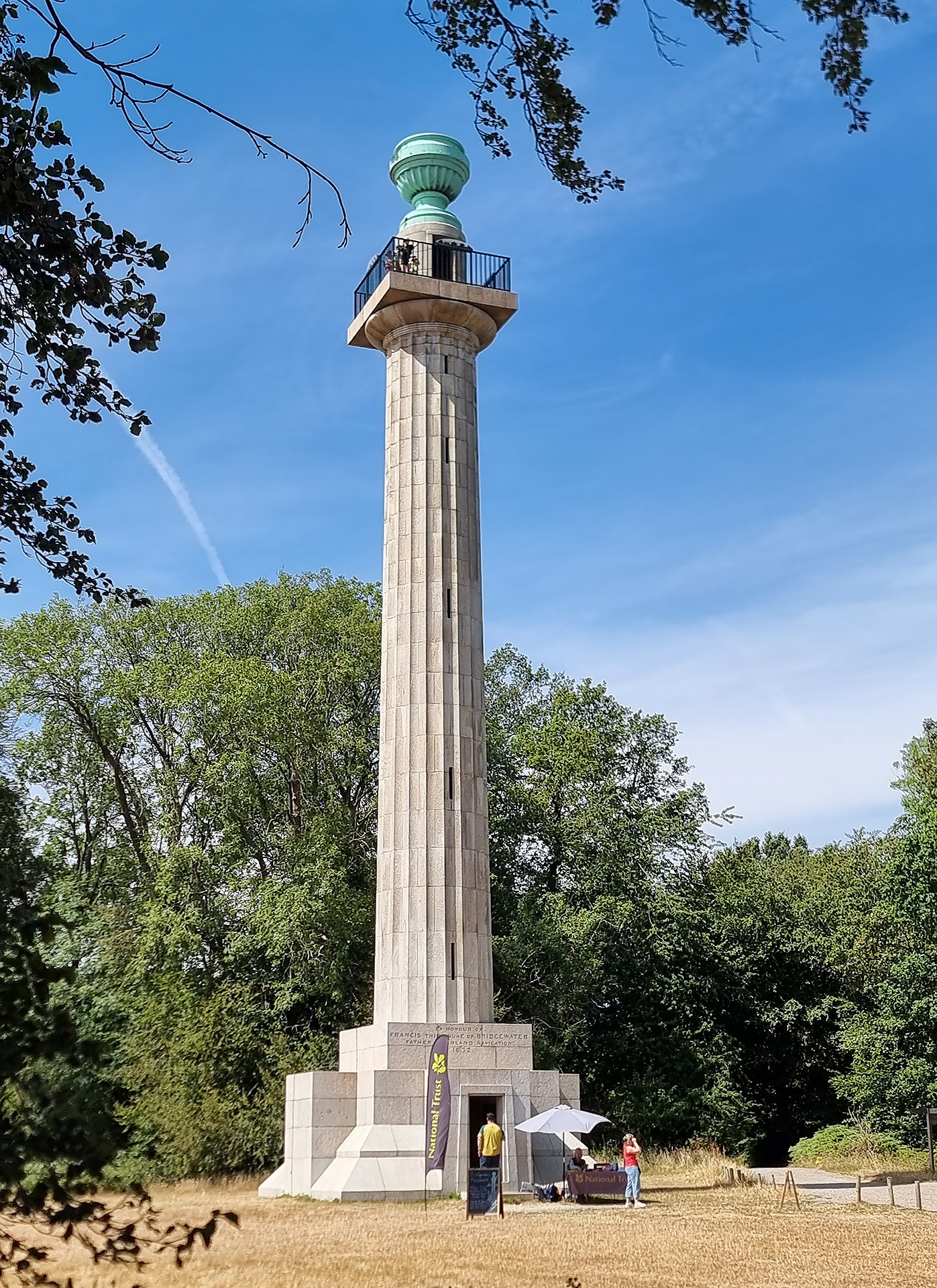
The Bridgewater Monument on Pitstone Common, Ashridge Estate, honouring Francis Egerton, 3rd Duke of Bridgewater, who is known as the ‘father of British inland navigation’ for his pioneering canal building work.
The trail soon brought us to the Bridgewater Monument on Pitstone Common on the Ashridge Estate.
The descent from this high point took us through the very pretty village of Aldbury (no time to stop in the inviting-looking pub) and some amazing bridleways that led to the Grand Union Canal. Things were going well and I was enjoying the canal scenery and feeling brighter, but then my front tyre punctured again! We were still some 4-5 kilometres from the pub I’d booked for the night in Aston Clinton and it was getting towards dinner time, so this was something of a disaster! We tried to take the tyre off the rim , but with no more success than the previous day, just not strong enough, and this despite this same tyre having been removed and then replaced at the bike shop in Amersham earlier the same day.
As we pondered the prospect of walking the 4 kilometres or so to the pub, I had brainwave. What, I thought, if I could get some of the tubeless tyre sealant that I’d bought in Amersham into the inner tube? I had a small tool with pliers that allowed me to unscrew the valve core, then I poured in the sealant, spun the wheel a few times, and started pumping (I did at least have a pump!) After a few minutes, the tyre seemed to be inflating and after a bit more effort, I got it firm enough to cycle on and the pressure was being retained. Eureka!
So, my imagination, or whatever part of the brain that is responsible for coming up with good ideas in a crisis was still working, at least well enough to get us out of this fix. I was very happy about that, and after forgetting my back pack and the navigation errors, this was a very reassuring moment in our ride. It was only 30 minutes further to the pub, and I decided to seek a more permanent and reliable fix at the Mountain Mania bike shop in Tring that I had found on Google the next morning. I slept very well that night, totally exhausted.
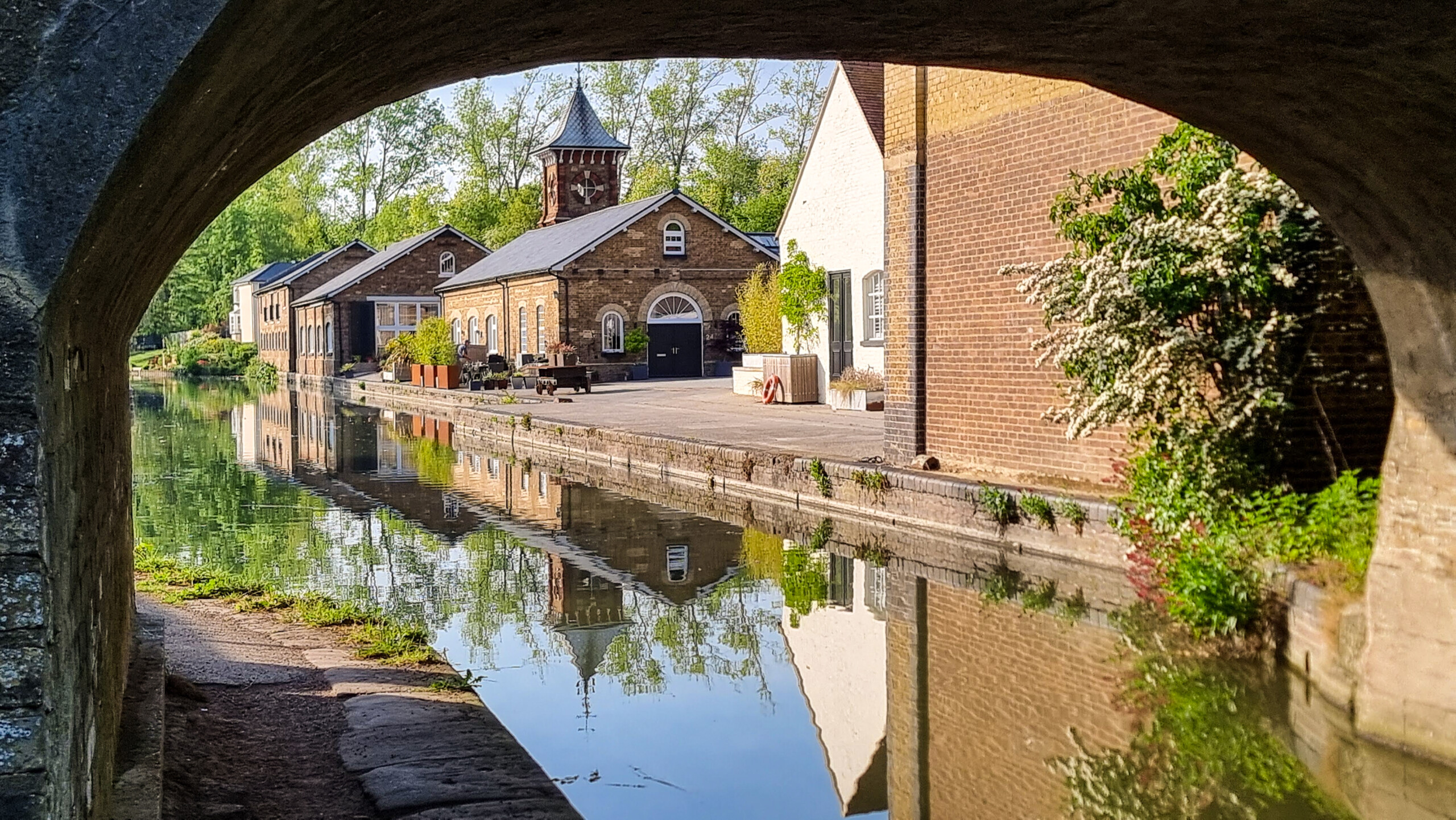
Grand Union Canal and wharf at Bulbourne, near Tring
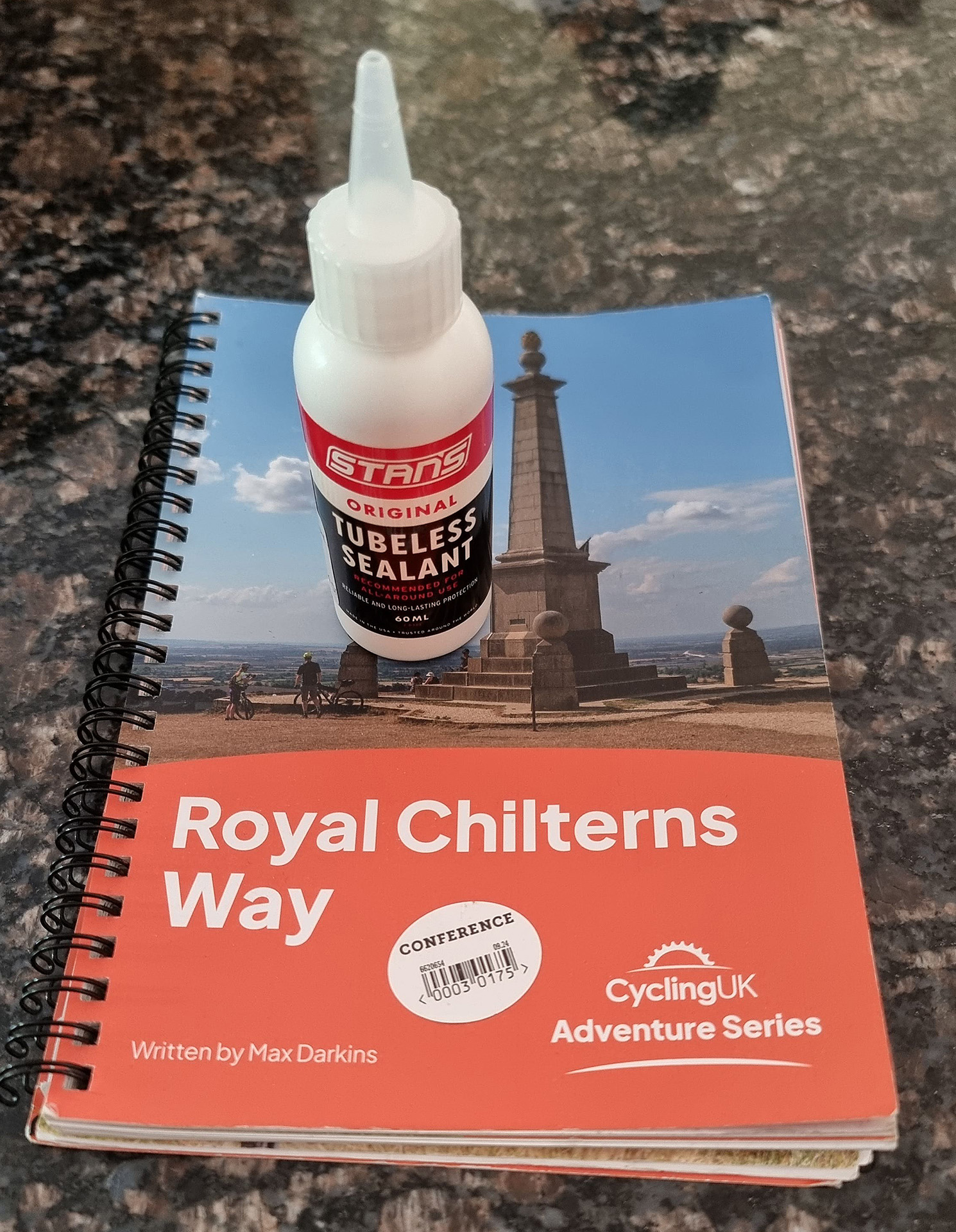
One of the small pots of Stan’s tubeless tyre sealant I bought in Amersham, sitting on the excellent Cycling UK’s Guidebook for the Royal Chilterns Way route
Day 4 – Aston Clinton to Cookham: tyre confidence, a steep climb, but growing tiredness
Ready to leave by 08:45, we took canal towpaths and small roads into Tring, found the bike shop, where the staff were once more really helpful despite my not having booked the bike in for tyre work – thank you Mountain Mania (Tring) shop team! I decided to try a new tyre, running it tubeless, and the mechanic topped up the sealant in my rear tyre, too. I also bought some more little pots of Stan’s tyre sealant and a tyre core tool, and could now feel much more confident about my tyres and puncture resistance. Back on the canal, we followed the towpath to Wendover to save time and our now flagging energy, admiring along the way an impressive group of Mandarin Ducks. After a café stop, we ready for the notorious climb up Combe Hill and the Boer War Memorial.
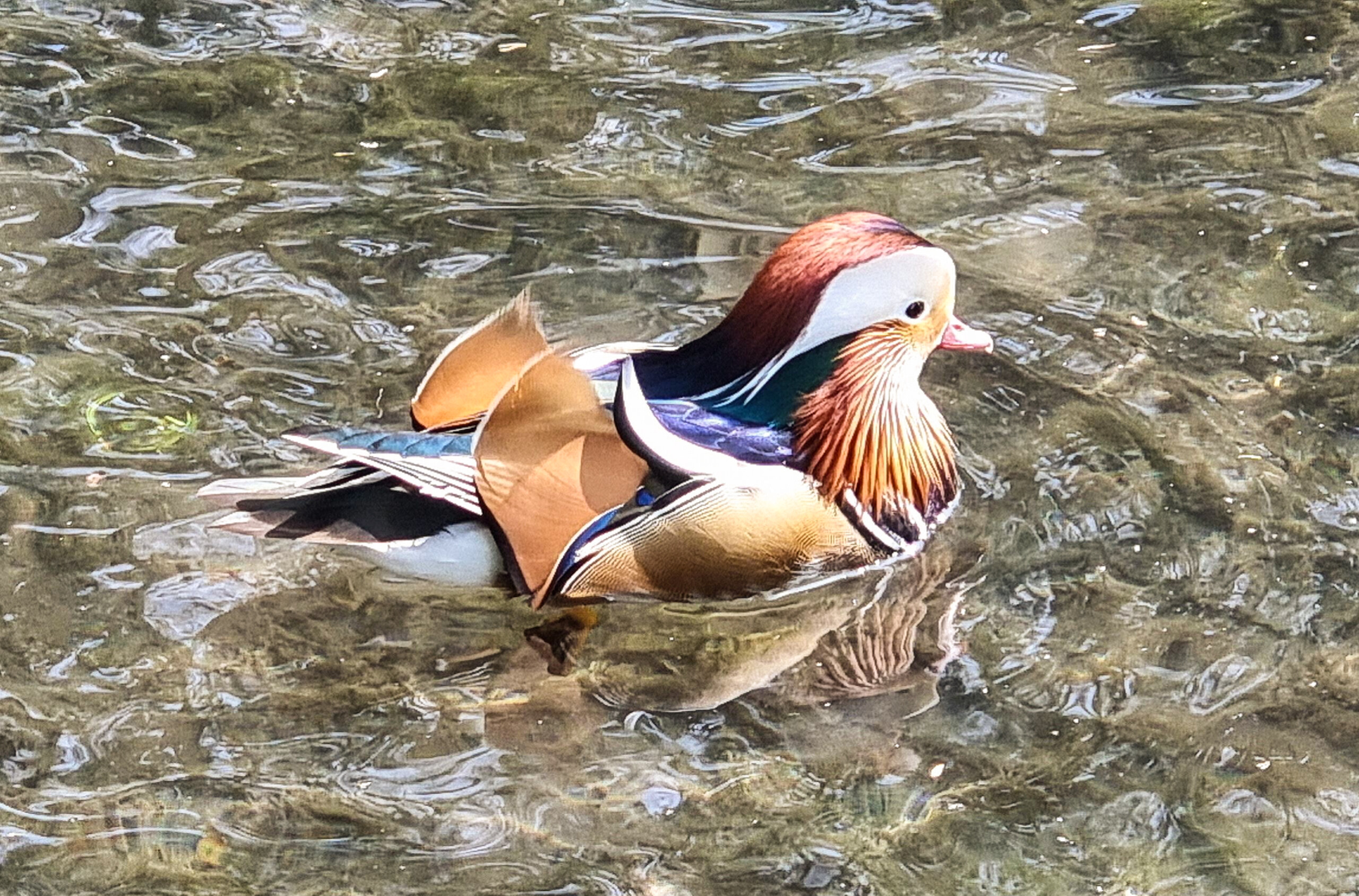
A Mandarin duck on the canal at Wendover
We crossed major HS2 works on way out of Wendover.
I noted that here in this already very wealthy part of the country, people are not only getting their high-speed railway line, but also having it hidden in ‘green tunnels’ which will be covered over and landscaped, and which I gather cost a fortune.
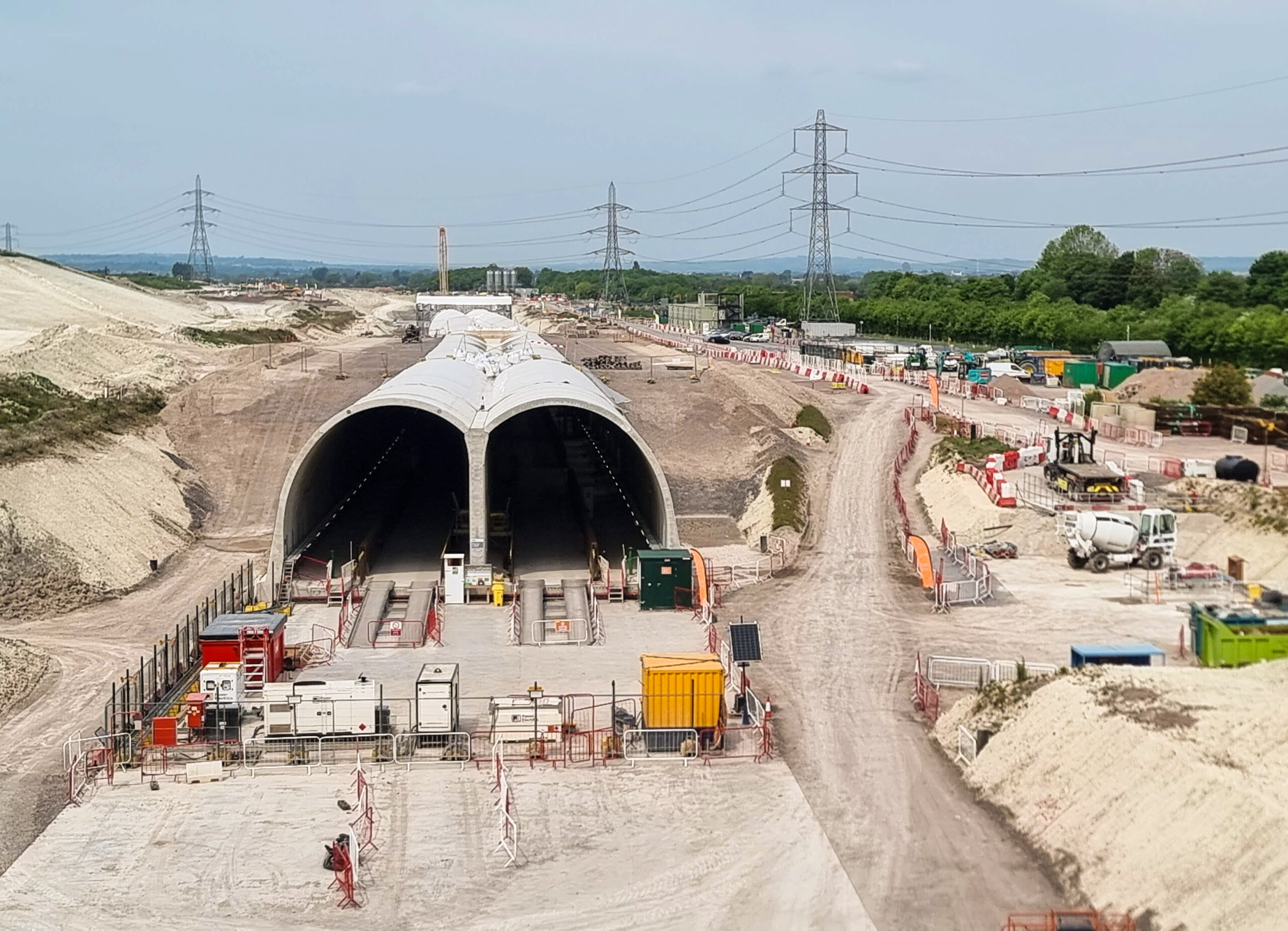
HS2 green tunnels under construction, Wendover
I was very happy to find that I was able to ride the whole of the steep climb to Combe Hill, one more little victory to help build my confidence. From there, we were back in the forest on lovely trails, descended to a valley, then climbed up a wickedly steep (one chevron on the OS) lane to Prestwood. Here, we found a pub for lunch then continued south, both now feeling a weariness from several days of quite strenuous cycling.
An exhilarating and somewhat tricky stony descent led to Hughenden, the beautiful National Trust property that was once the home of Benjamin Disraeli, who was twice Prime Minister in the late 19th century and a prolific author. Although we did not have time to visit the house and garden it would have been rude to pass by without a cream tea – a small luxury I did allow myself.
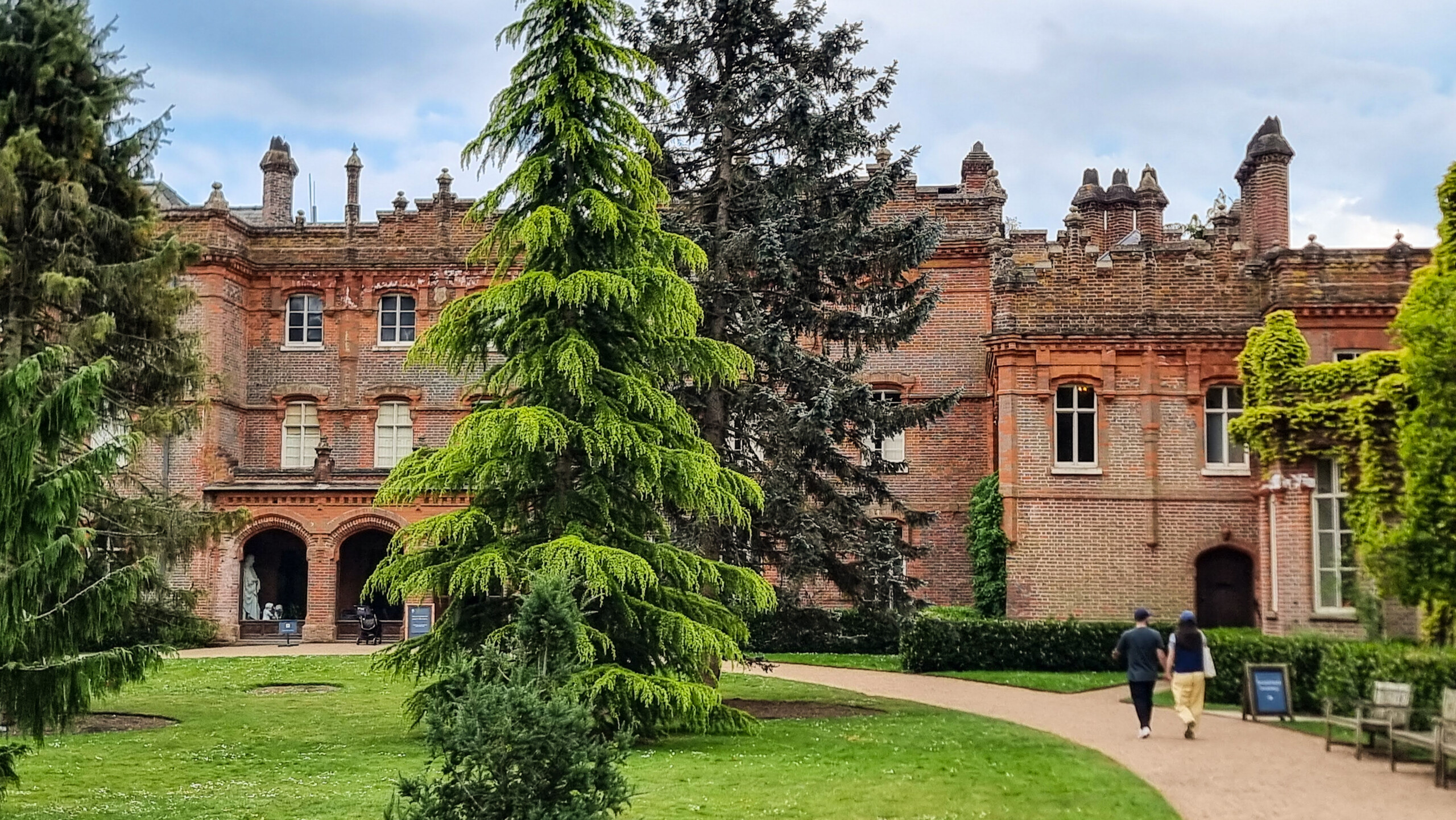
Benjamin Disraeli’s house Hughenden
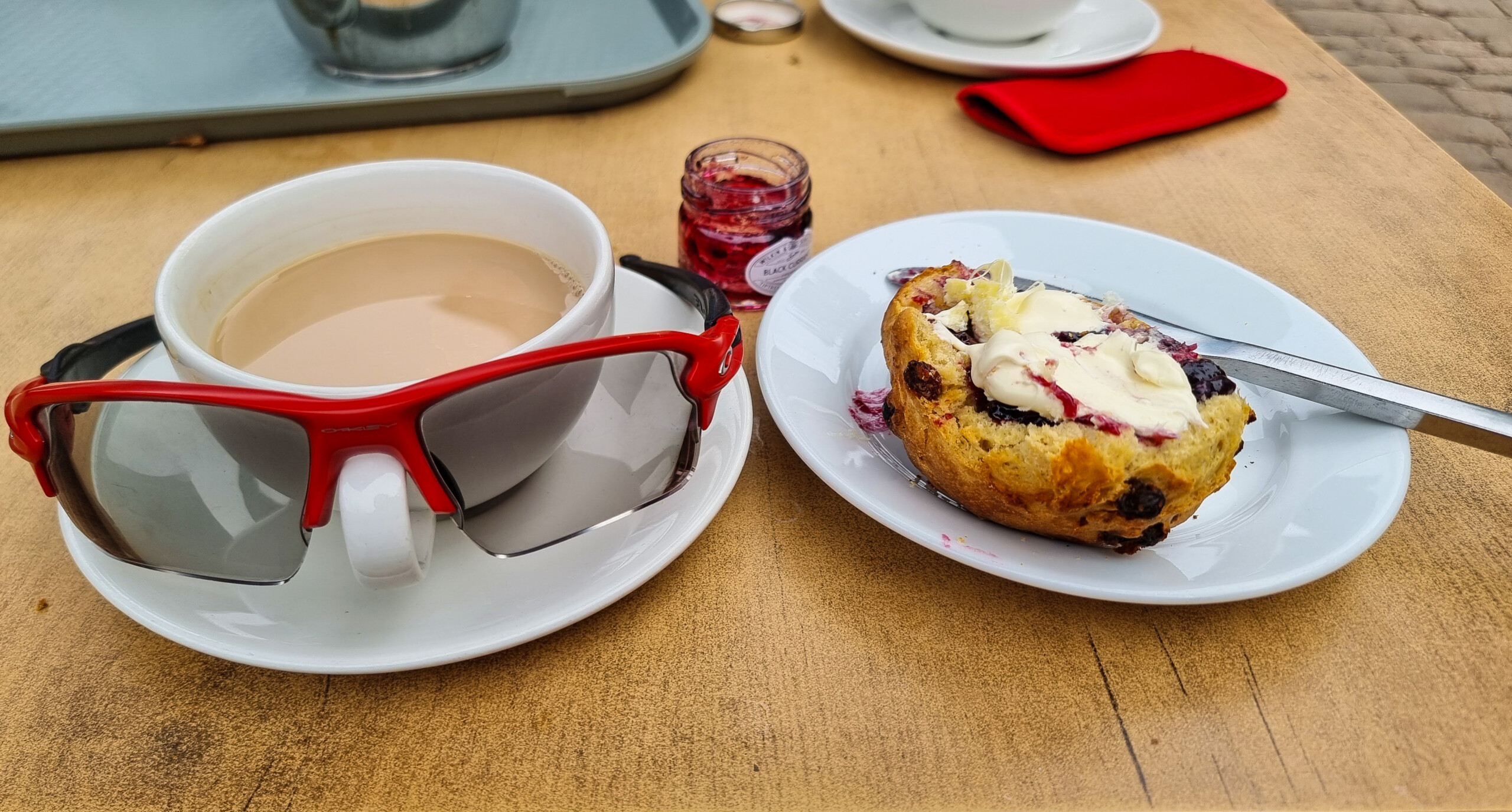
A well-deserved treat: cream tea at the Hughenden National Trust café
Once through the Hughenden Estate, we climbed slowly up to Downey, past cricket on green, then took a fabulous 2 km descent down an ancient hollow way to West Wycombe. I love hollow ways – so much history. There was, unfortunately not enough time to explore the intriguingly depraved history of the Hellfire Caves or the Dashwood Mausoleum either, so we pressed on to Marlow, which looked like a fun place that would have been good to explore, had there been more time (or we had the ability to cycle more quickly). Conversation turned around this perennial issue of inadequate time to visit the wonderful places we were cycling through. My spirits were lifted once more by the beautiful evening light over the River Thames as we crossed the bridge into Cookham and found The Crown Pub, our stopover for the night.
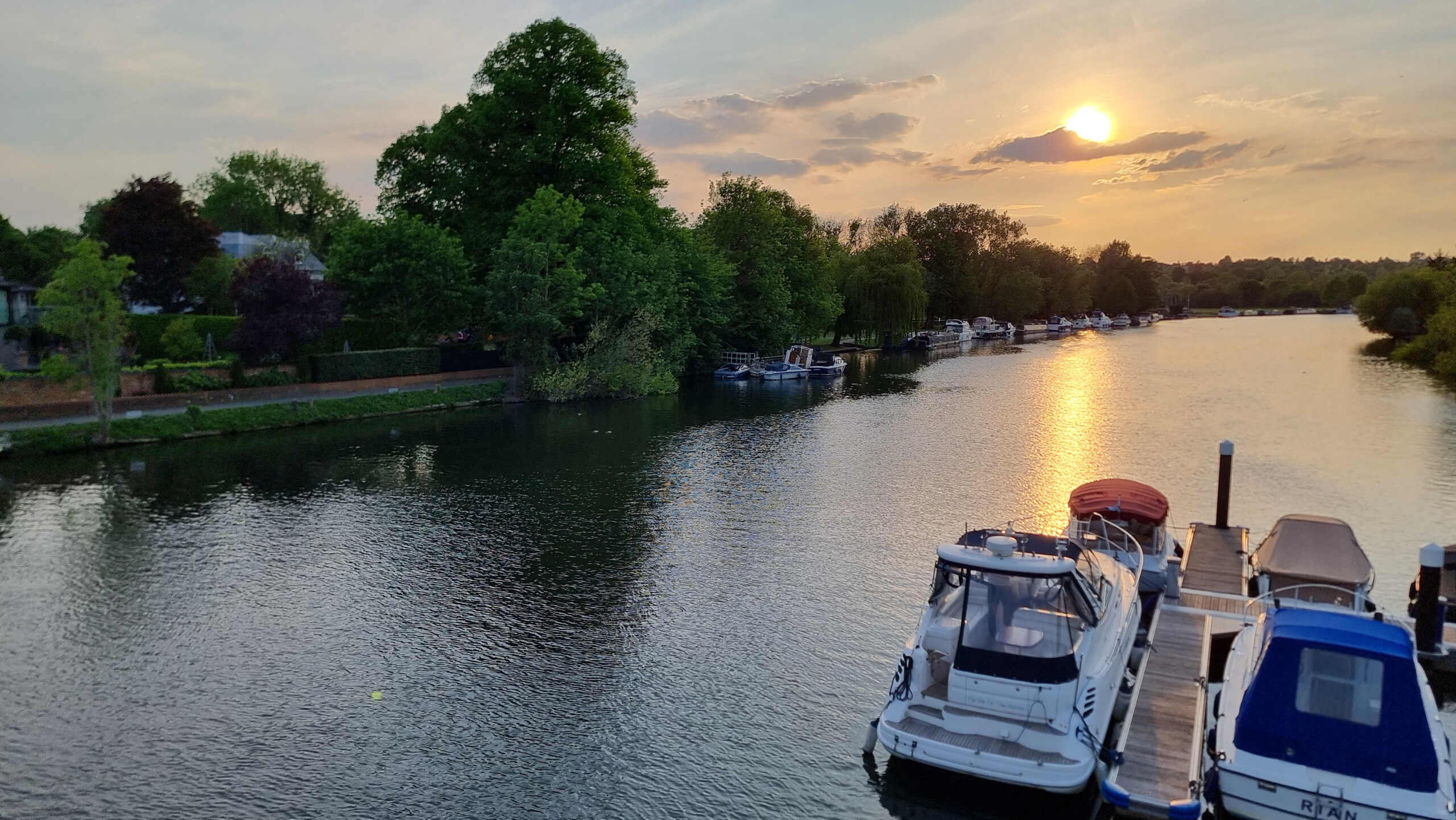
Lovely evening light over the Thames at Cookham
Day 5 – Cookham to Wallingford: tired but more confident, a cruel reminder of the stroke and another bright idea
By now, Day 5, I was feeling very happy about my bike, and much more confident about my ability to climb the hills, but only partly refreshed by overnight rest. There was no question that I was now finding this ride pretty tiring.
We took a very pleasant route back to Marlow over hills on the south bank of Thames. A running event taking place in Marlow reminded me once more of the consequences of my stroke, as I was now going to miss the Chester Half Marathon the following weekend that I had signed up to after the 2025 event. There was no way I would be ready to run twenty or so kilometres at this stage in my recovery. All in good time, I thought, maybe next year.
From Marlow we climbed a pretty valley past the Marlow Vineyard then rode down through Adam’s Wood to Skirnett and along Water Lane, so named as it was actually a river bed – another lovely, quirky moment to treasure. This brought us to Turville, where The Vicar of Dibley TV Sitcom was filmed. Behind the church a very steep trail climbed up a field and on up to Turville Heath, where I had another bright idea. Given we were both pretty exhausted by now, I suggested that we stay on easy-to-ride flattish lanes, then descend to Watlington and take advantage of the wood-fired pizzas we had spotted on the outward route at the Spire and Spoke pub.
The pizzas were excellent, so that worked out well, and thus refreshed, we picked up the Ridgeway trail heading west to visit Ewelme, the very pretty village with a remarkable history that we had missed due to my navigation error on Day-1.
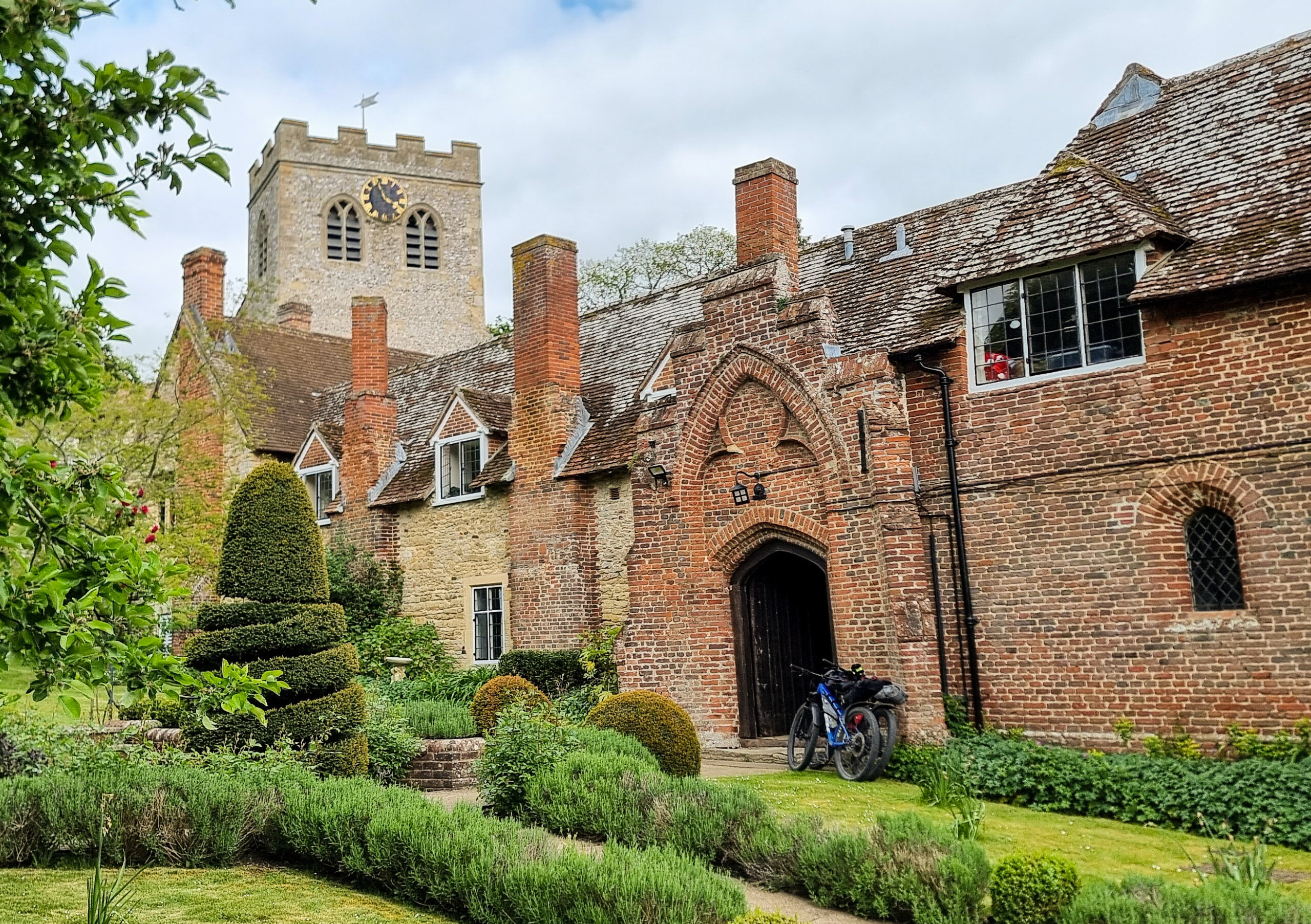
St Mary the Virgin church, cloister and alms houses at Ewelme
A set of very attractive buildings stand beside the church, including alms houses and a 15th century village school, which is still functioning and said to be the oldest working school in the UK. The church of St Mary the Virgin is the burial place of Thomas Chaucer (the courtier and politician son of Geoffrey Chaucer) and also of his daughter Alice, who was widowed from rich husbands three times and became very wealthy as a result, and has a font with a unique and beautiful carved wooden cover. From Ewelme, it was then just a few kilometres to Wallingford and our accommodation for the night.
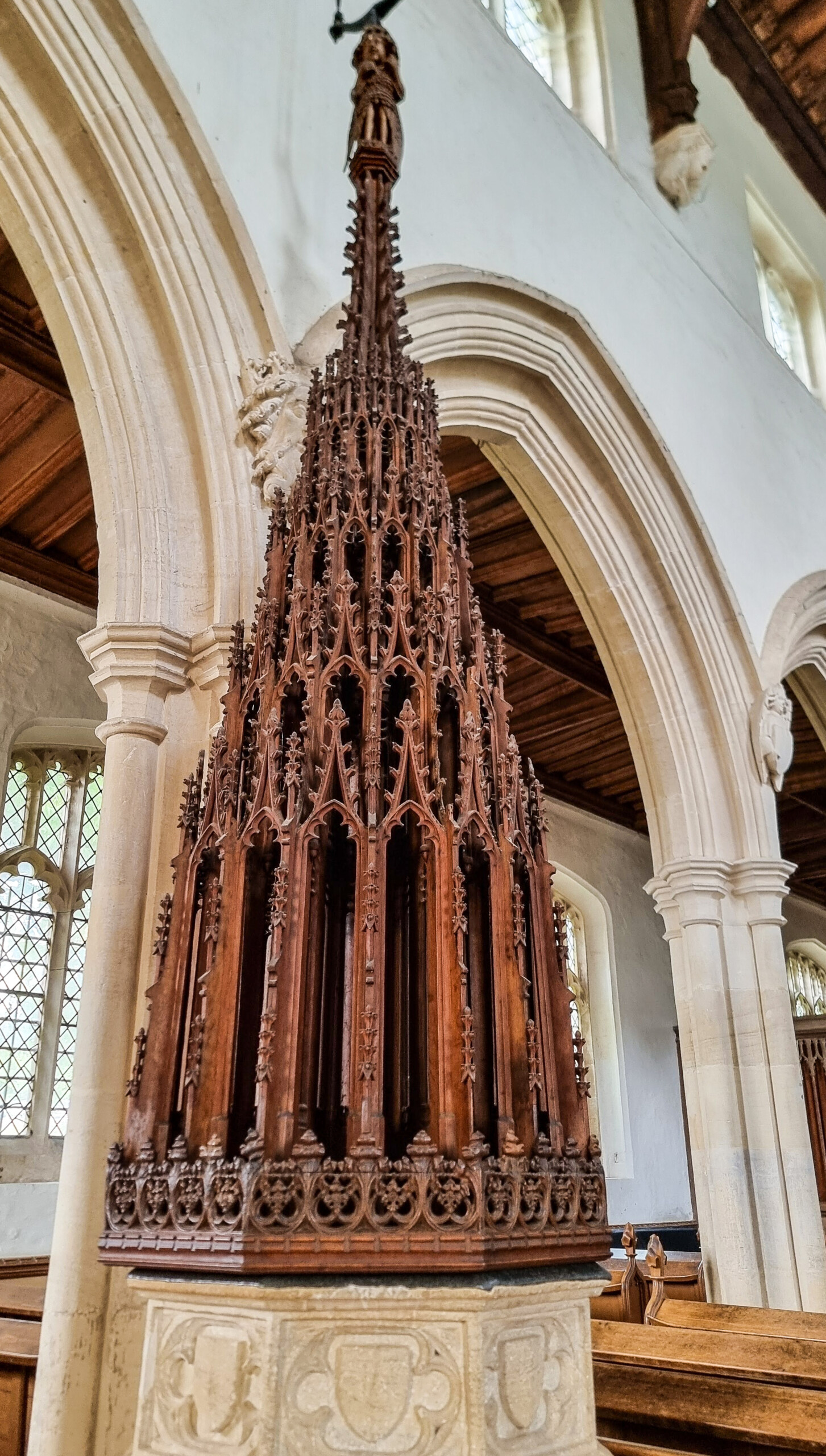
Font cover in St Mary the Virgin church, Ewelme
Day 6 – Wallingford to Chervil: easier riding, alpacas, busy moths, and a blast from the past with Black Sabbath
This last day was unremarkable, not a bad thing, to be honest. We kept to a flat route near the Thames as we were both tired and there were no disasters or navigation issues to report. A couple of highlights were the amusing sight of some recently-shorn alpacas near Goring, and the extraordinary web-like shrouds created on the hedges by ermine moths to protect their caterpillars. I also stopped briefly to admire the lovely old water mill at Mapledurham, famous for appearing on the cover of the first Black Sabbath album.
Following a brief lunch stop in Reading, a short, flat section of Thames path brought us back to Sonning and Charvil and the end of our ride.
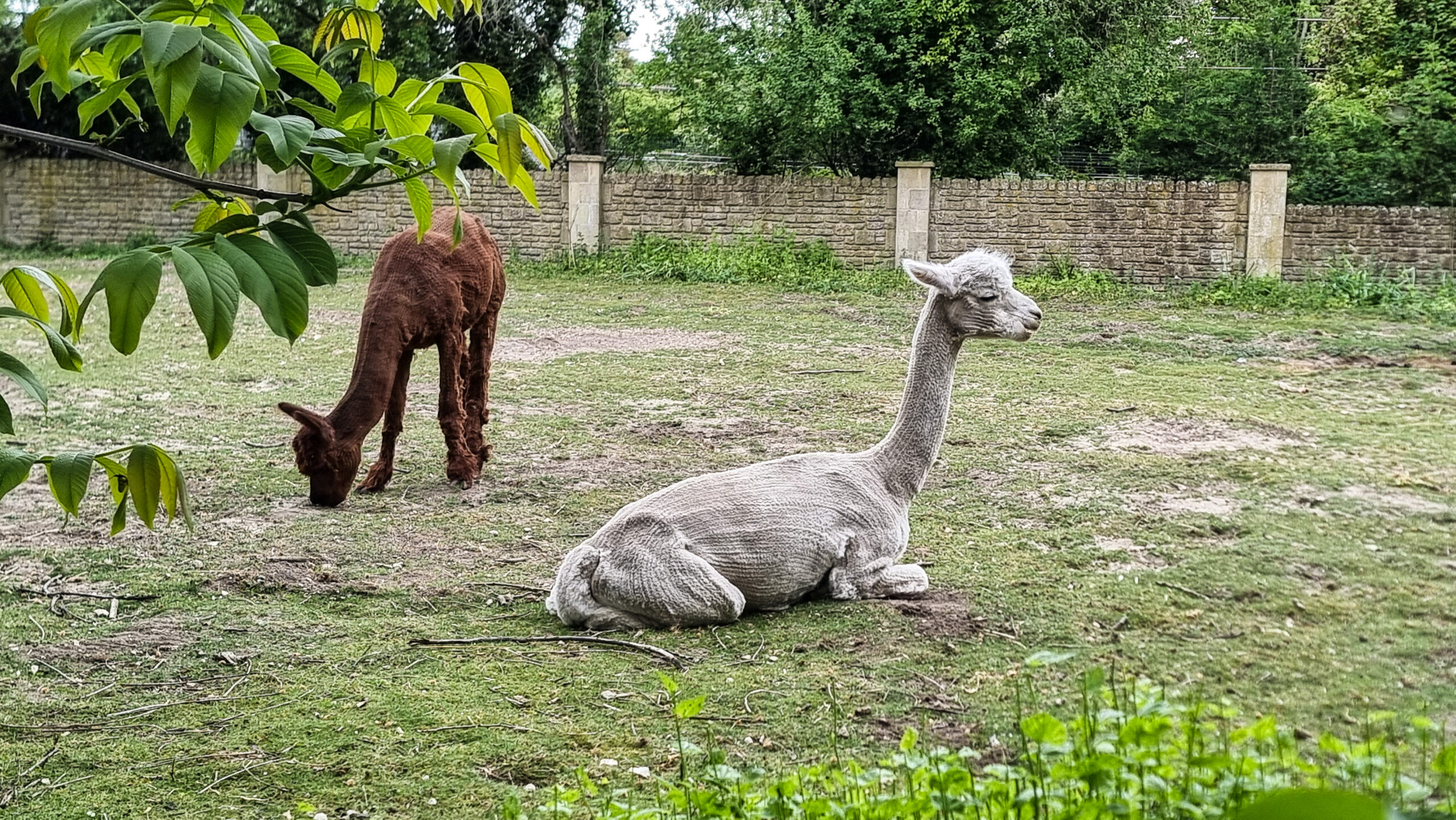
Recently shorn alpacas near Goring
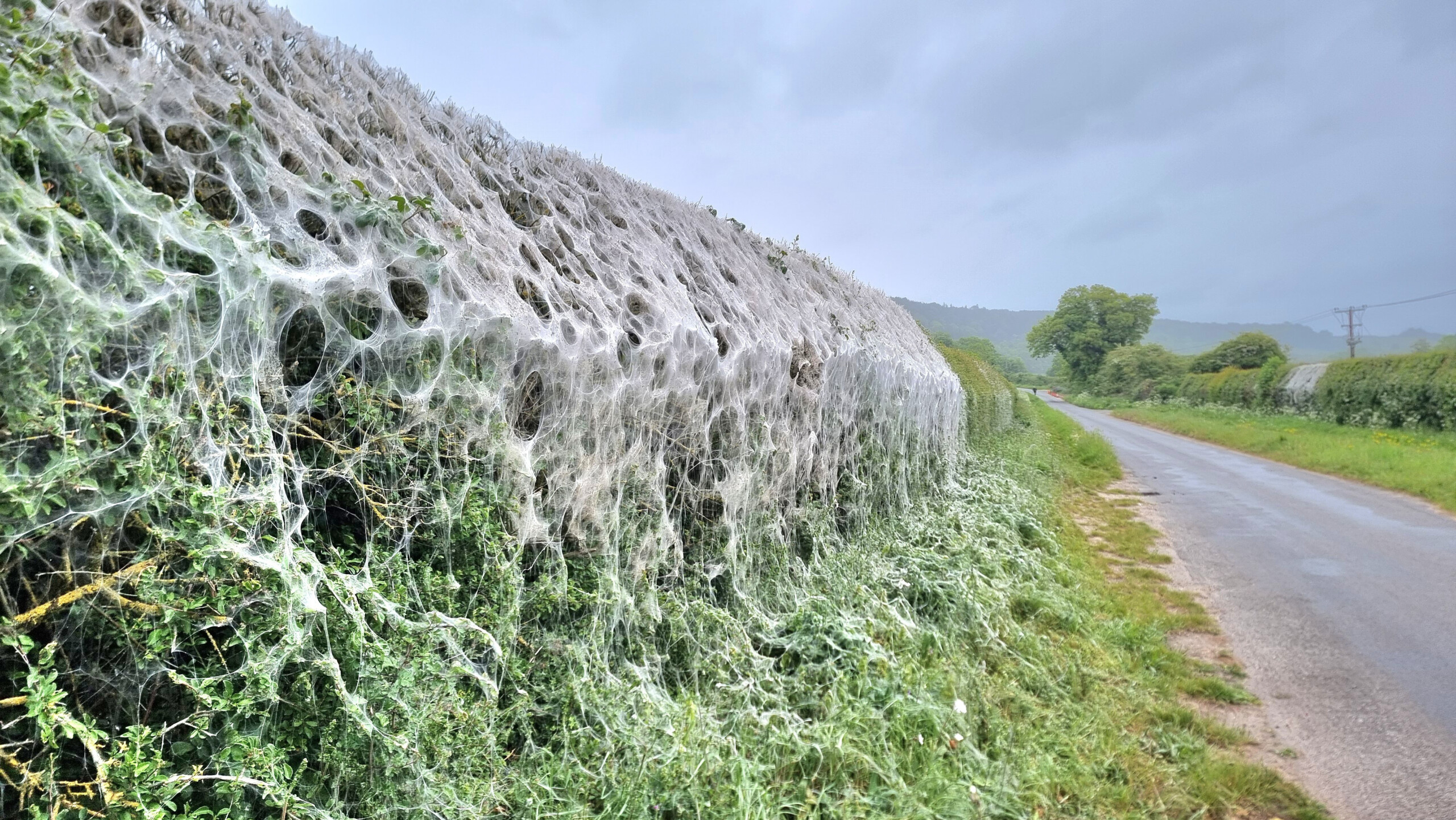
Ermine moth caterpillar webs on a hedge near Mapledurham
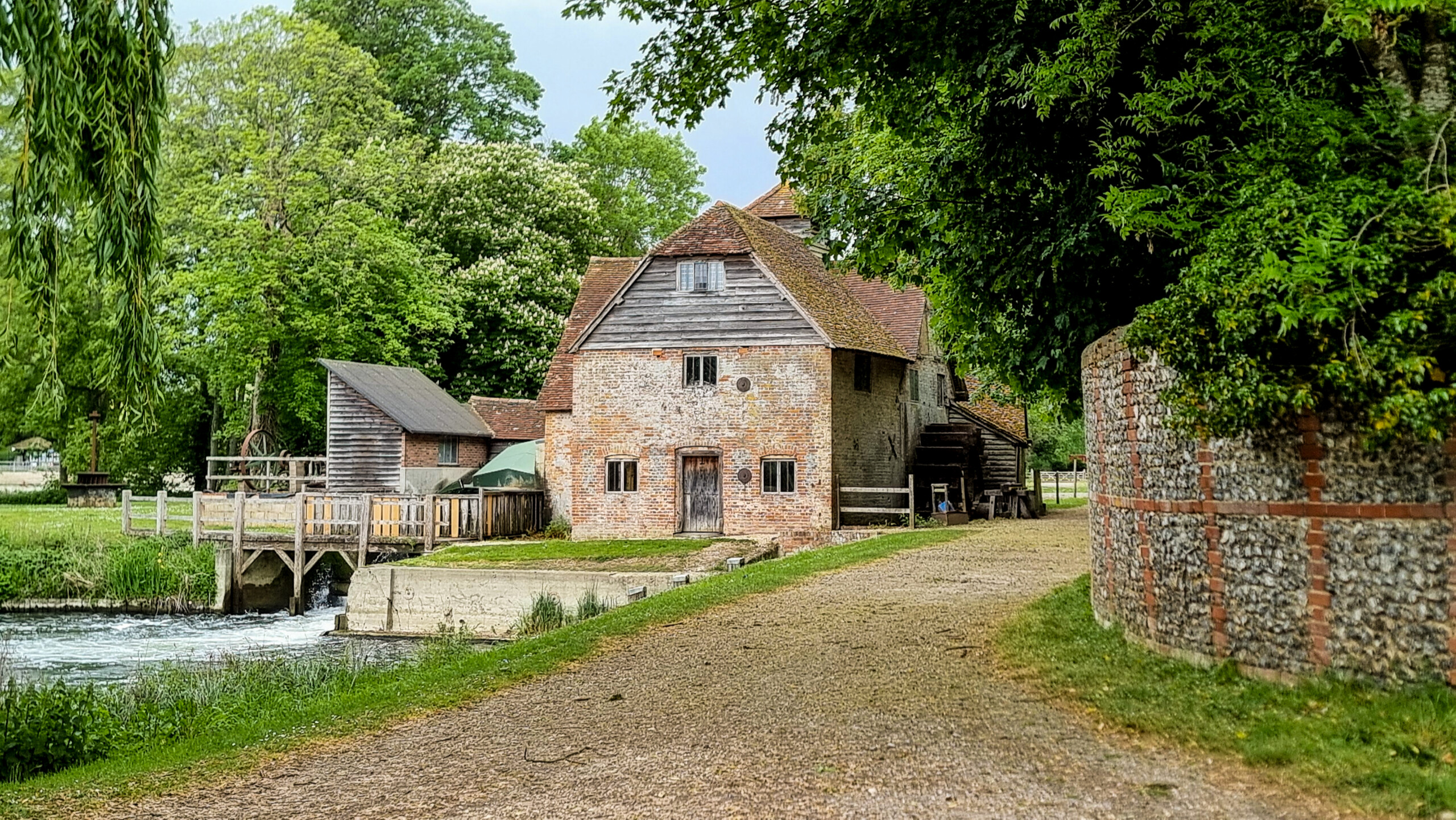
Mapledurham Mill which was used to illustrate the cover of the album Black Sabbath by Black Sabbath
Taking stock
Over the course of this six-day ride, we covered 310 kilometres and almost 4000 metres of climbing. That’s not particularly epic as bike packing adventures go, but neither is it trivial under the circumstances. I experienced no physical problems, felt well throughout despite mounting tiredness as the days and kilometres passed, and fears for my health did not spoil enjoyment of the landscape and places.
Physically, I managed the ride pretty well. On the other hand, at the time of this ride I was beginning to feel the first significant effects of the emotional reactions I mentioned above, with a low mood where I would normally have expected exhilaration from the exercise, discovering new places and the thrill of off-road cycling. The joy I would normally experience on such a trip was not totally absent, but definitely muted.
That said, there were a number of special moments that I really loved, and overall, the ride was very enjoyable.
Forgetting my backpack in Henley-on-Thames, struggling with sorting a couple of punctures and some significant navigation errors, did undermine my recovery confidence. But on reflection, I thought that these could also just be the kinds of things that happen when you are 71 years old and not necessarily the result of a stroke.
Scrambling my words while typing was obviously not a major impediment while cycling from dawn till dusk over six days, apart from a few bizarrely incomprehensible WhatsApp messages to family and friends. But writing up this article has been quite another matter and somewhat laborious. Expert Occupational Therapy and Neuro-physiotherapy assessments have not yielded any clear strategy for overcoming this, beyond slowing my pace of work and ambitions, concentrating as hard as possible, which I have found to be very tiring, and attending carefully to making corrections. I am aware of the option of using dictation software in e.g. Microsoft Word, but am reluctant to pursue this as it will bypass what I hope might be, if I keep working at it, the gradual re-establishment of neural pathways that can restore a reasonable level of accuracy with typing.
Looking to the future
Overall, returning to cycling the Royal Chilterns Way after my stroke was a wonderfully rewarding experience taking us through beautiful countryside, and many attractive towns and villages and other sites with fascinating histories. Insofar as it was my first substantial ‘post-stroke cycling test’, completing it has boosted my confidence in many ways and as a result, I feel ready to plan new adventures. I am no longer fearful of long days of cycling or multi-day rides with family or friends. I also feel confident about the prospect of cycling in quite remote places, whether accompanied or alone. So long as I prepare well, keep those close to me informed of my plans and itineraries, I reckon I’ll be fine.
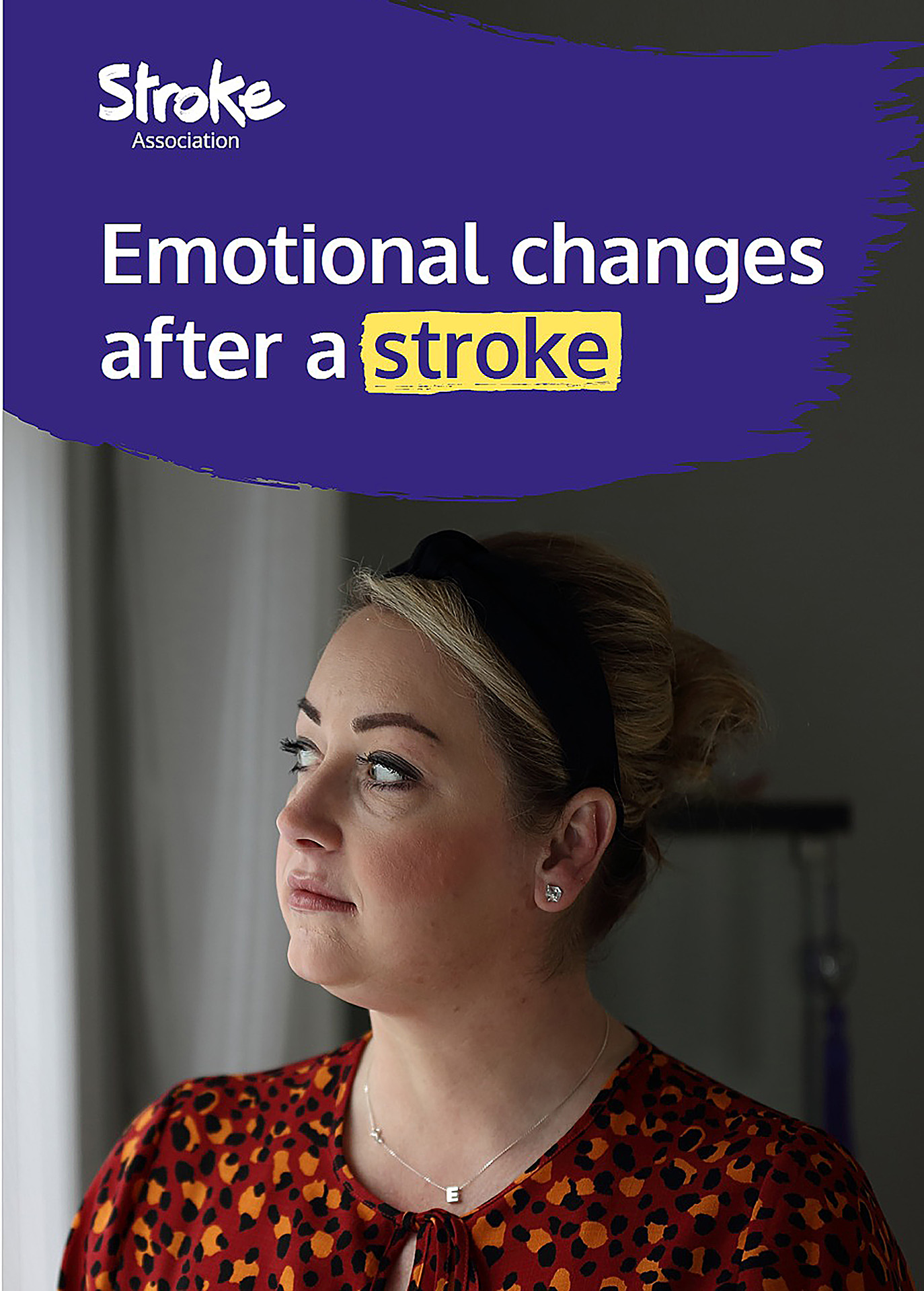
The very helpful publication from the Stroke Association on emotional changes after a stroke
I have received some very helpful advice and encouragement about my emotional reactions from the Stroke Association (including this excellent publication Emotional changes after a Stroke, and as a result have arranged some counselling, which is proving to be a great help.
I firmly believe that activities like this which I love so much will help me make the most of the physical abilities and mental faculties I still have and hopefully allow me to enjoy life as long as possible. I also hope that sharing my experiences may encourage other stroke survivors to stretch themselves somewhat if they want to be more active but are feeling fearful of the possible consequences. If there is anything I can do to support that I will be only too happy to try.
Please do comment on this article and ask questions if you have any, Thank you.
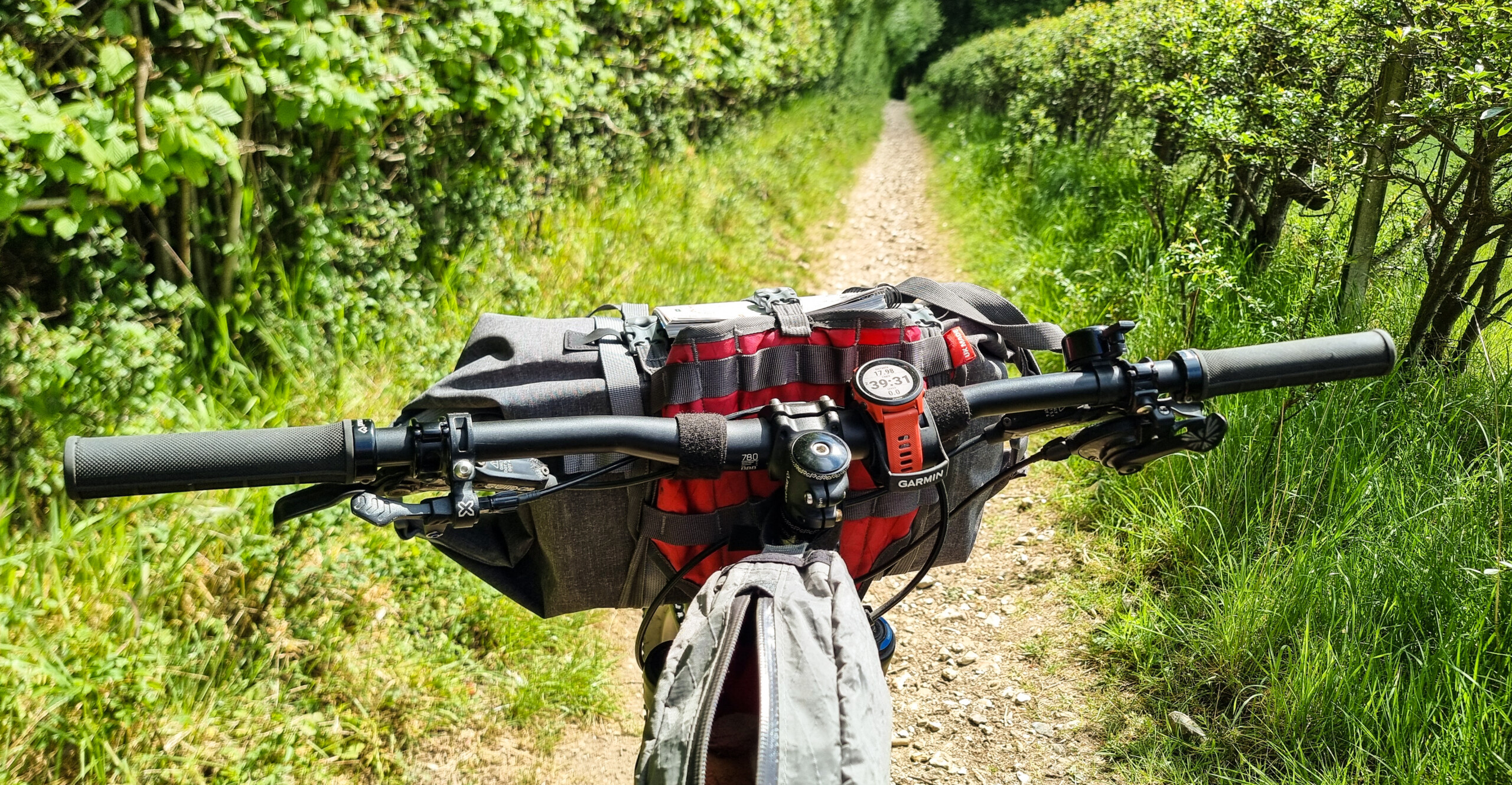
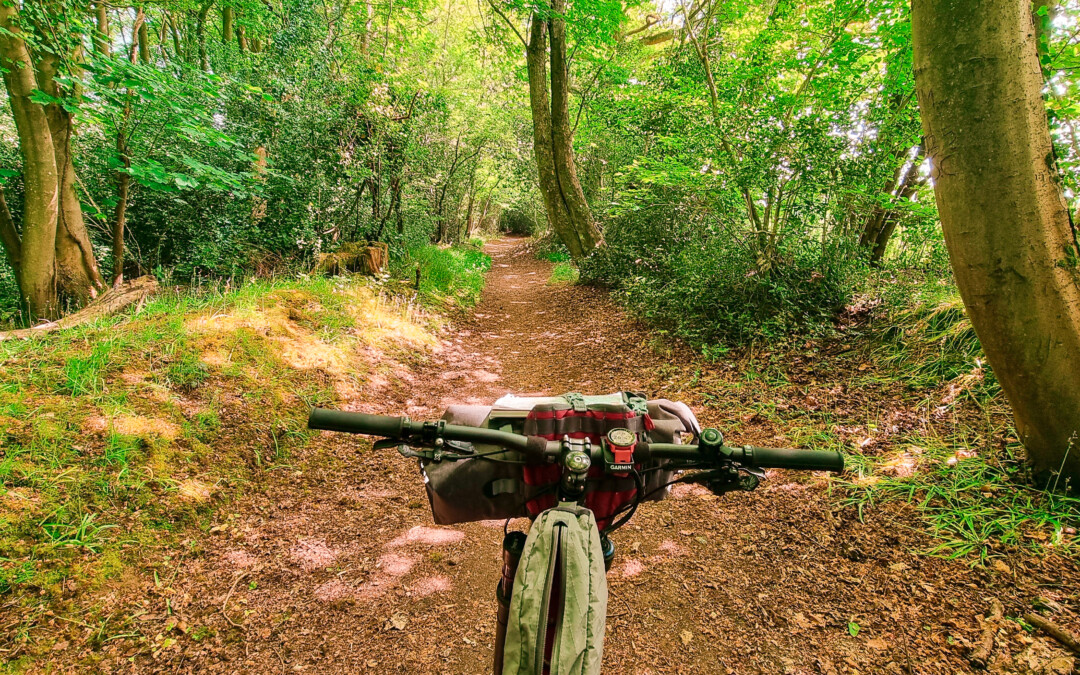
On a great section of single track approaching Great Missenden